Your ten-minute power-read
for December 2025
Food for thought
Our global food system is unsustainable. Its practices are inflexible, inefficient, and inequitable — but they don’t have to be.
Read, click, and scroll on to explore the four keys to a better food system, and to see how a mixture of fresh ideas, nutritious cross-industry collaboration, and juicy new business models could help feed the future.
We use cookies to make our site work well for you and continually improve it. The cookies that keep the site functioning are always on. We use analytics to help us understand what content is of most interest. For detailed information on how we use cookies and other tracking technologies, please visit our cookies information page. It’s your choice to accept the use of analytics or not by clicking “Accept” or “Decline”.
Accept
Decline

10 min
Click on the keys, below right, to see innovative examples of how public, private, and not-for-profit organizations are teaming up across the value chain to tackle the challenges facing the food system.
Scaling technology and financing
Healthy and sustainable diets
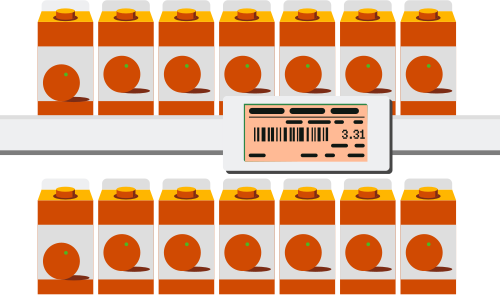
Transparent and efficient supply chains
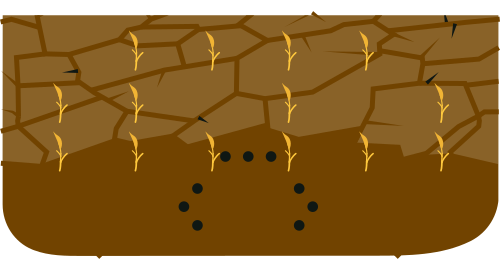
Climate change threatens key crops that supply 42% of the calories needed to feed the global population.
Better farming practices
Four keys to a better food system:

Last bite
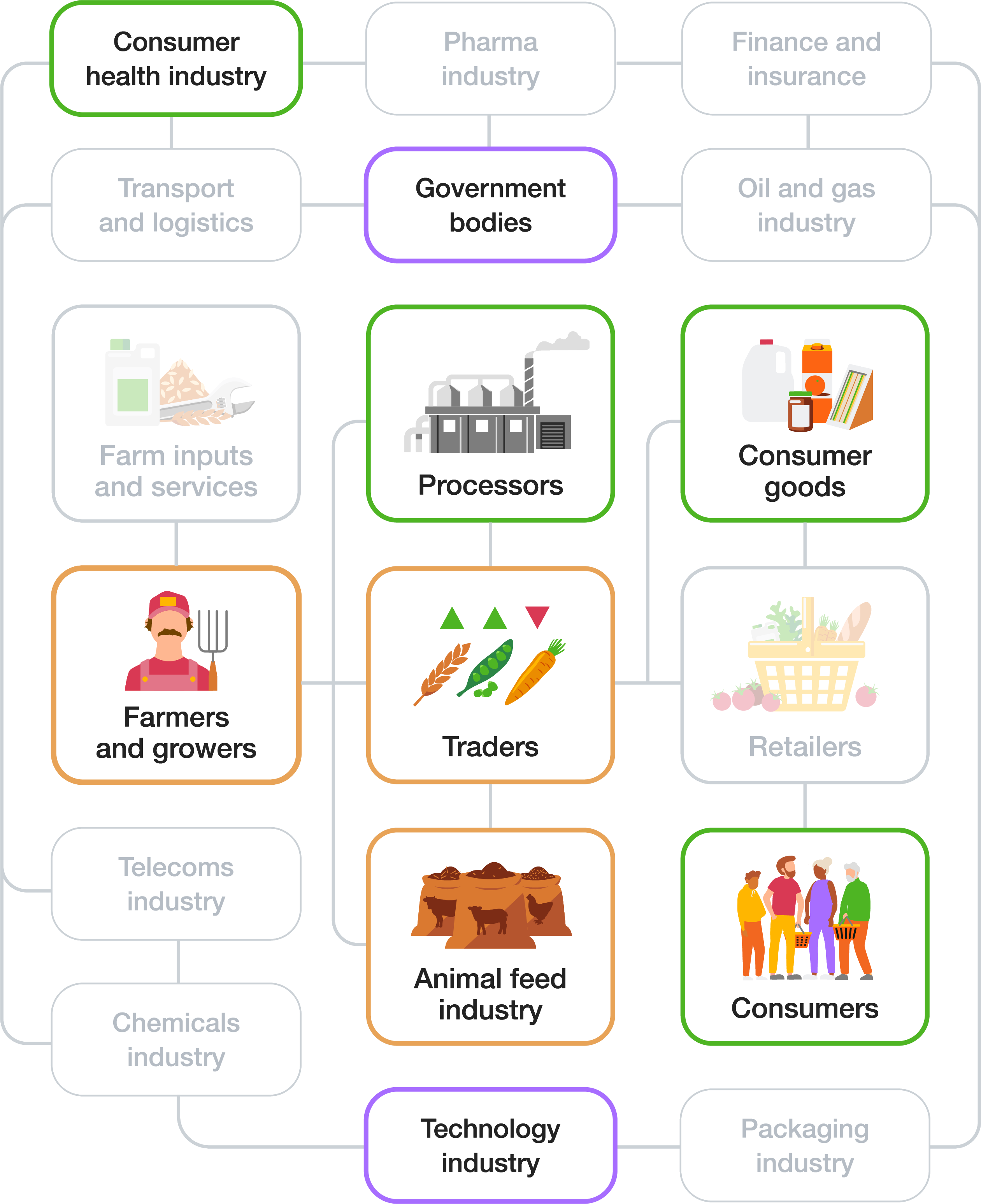
The table is set for reinvention. As value moves through an ecosystem with a potential value of US$10 trillion in 2035, bold players will rethink how we grow, trade, and consume food. In doing so, they’ll cook up a new value chain—ripe with new participants, connections, and opportunities—turning today’s challenges into tomorrow’s sustainable, nourishing growth.
Better farming practices
Transparent and efficient supply chains
Healthy and sustainable diets
Scaling technology and financing
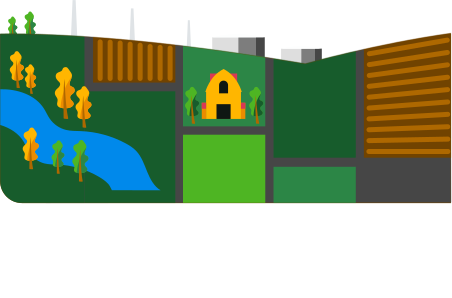
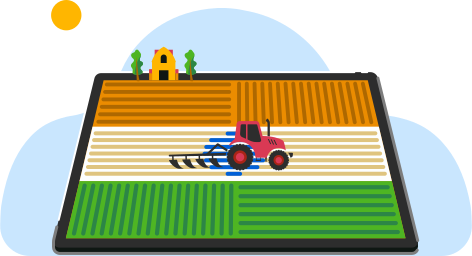
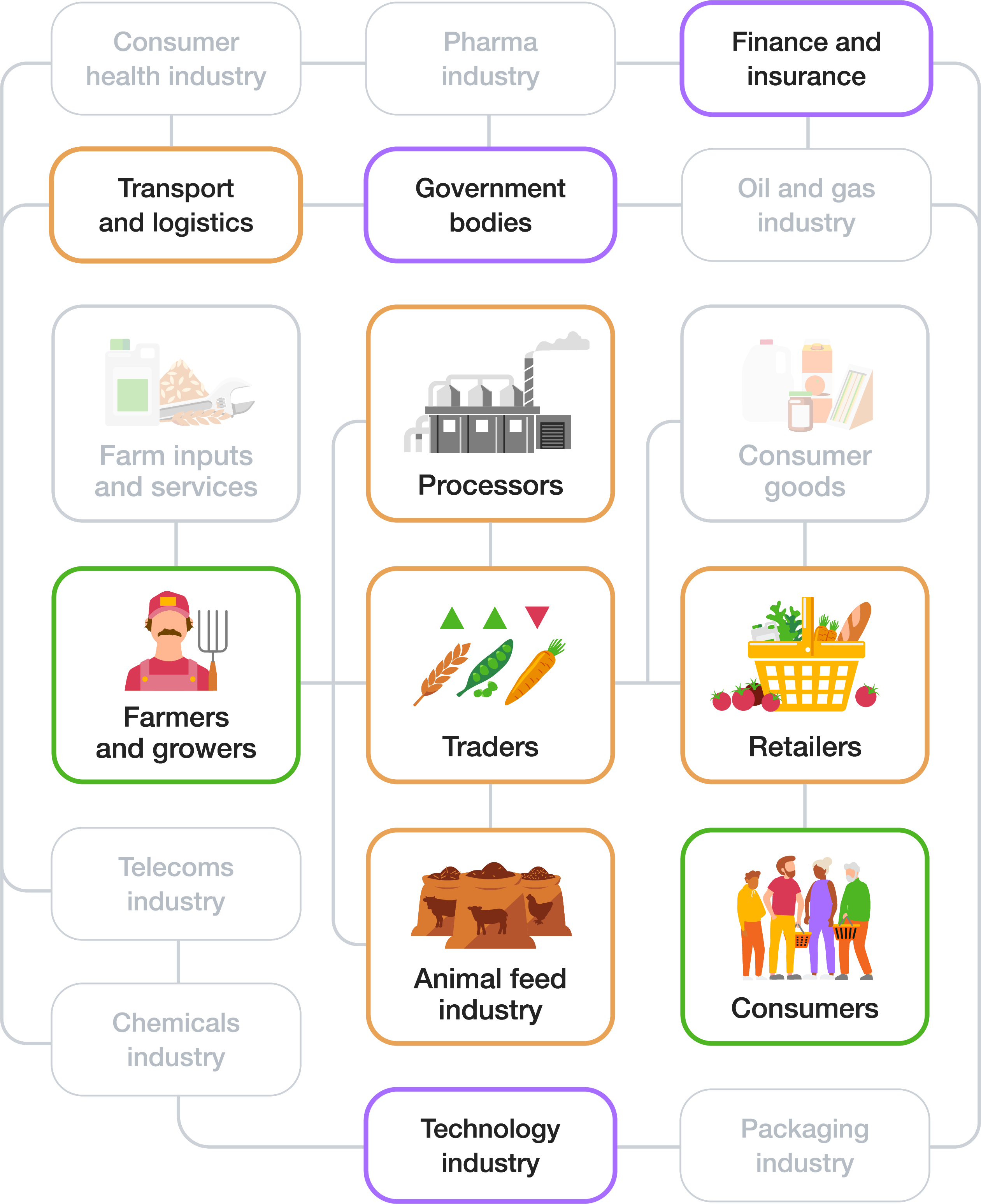
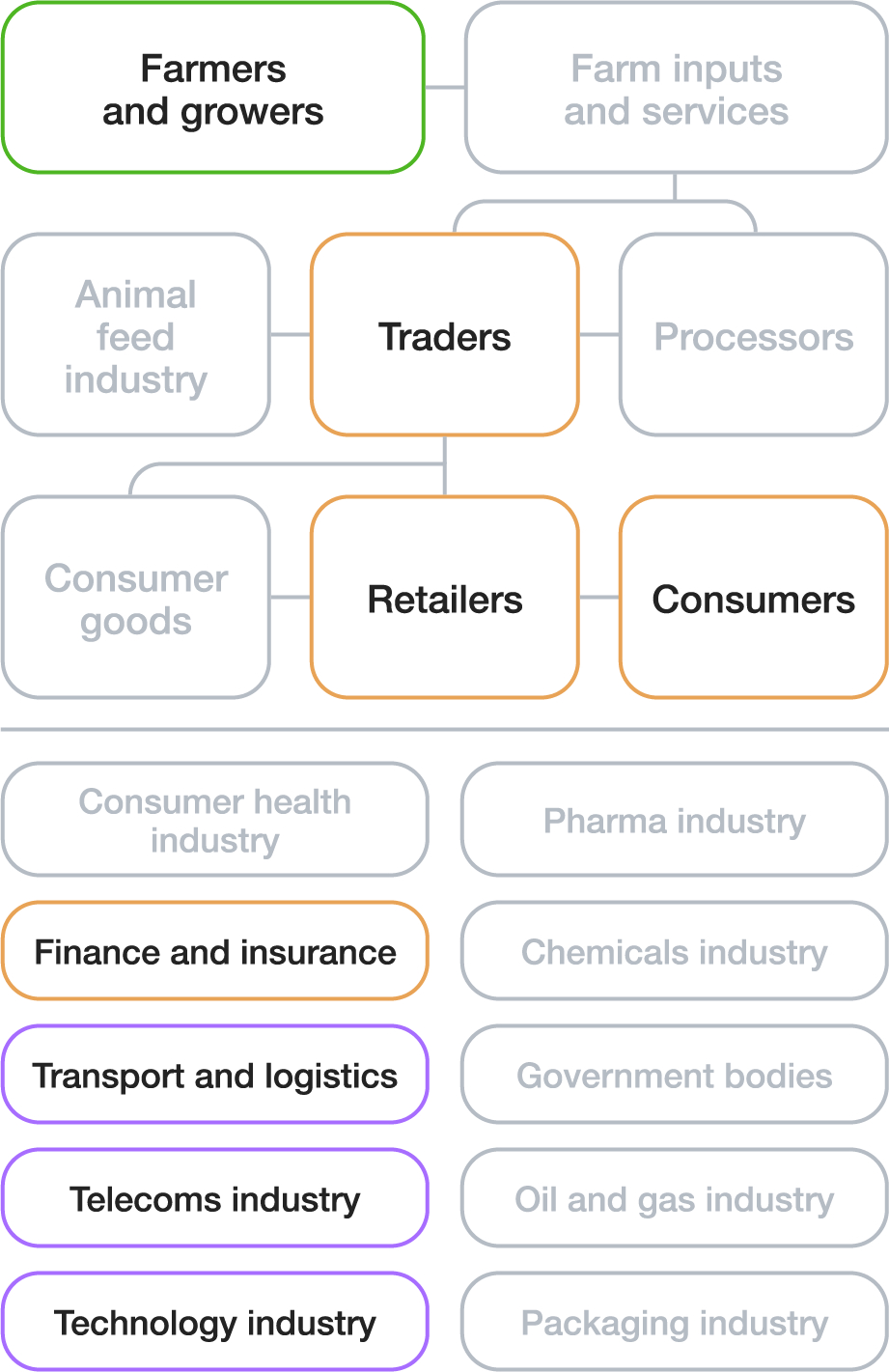
Advanced regenerative and precision practicesrestore ecosystems, conserve water andsoil, reduce emissions, and strengthen resilience, all while boosting yields.
Food system success stories:
Fish farming
Smarter spraying
Next-gen inputs
Sustainable soy

Fish farming
Smarter spraying
Next-gen inputs
Sustainable soy
Food system success stories
Also relevant to:
Transparent and efficient supply chains
Healthy and sustainable diets
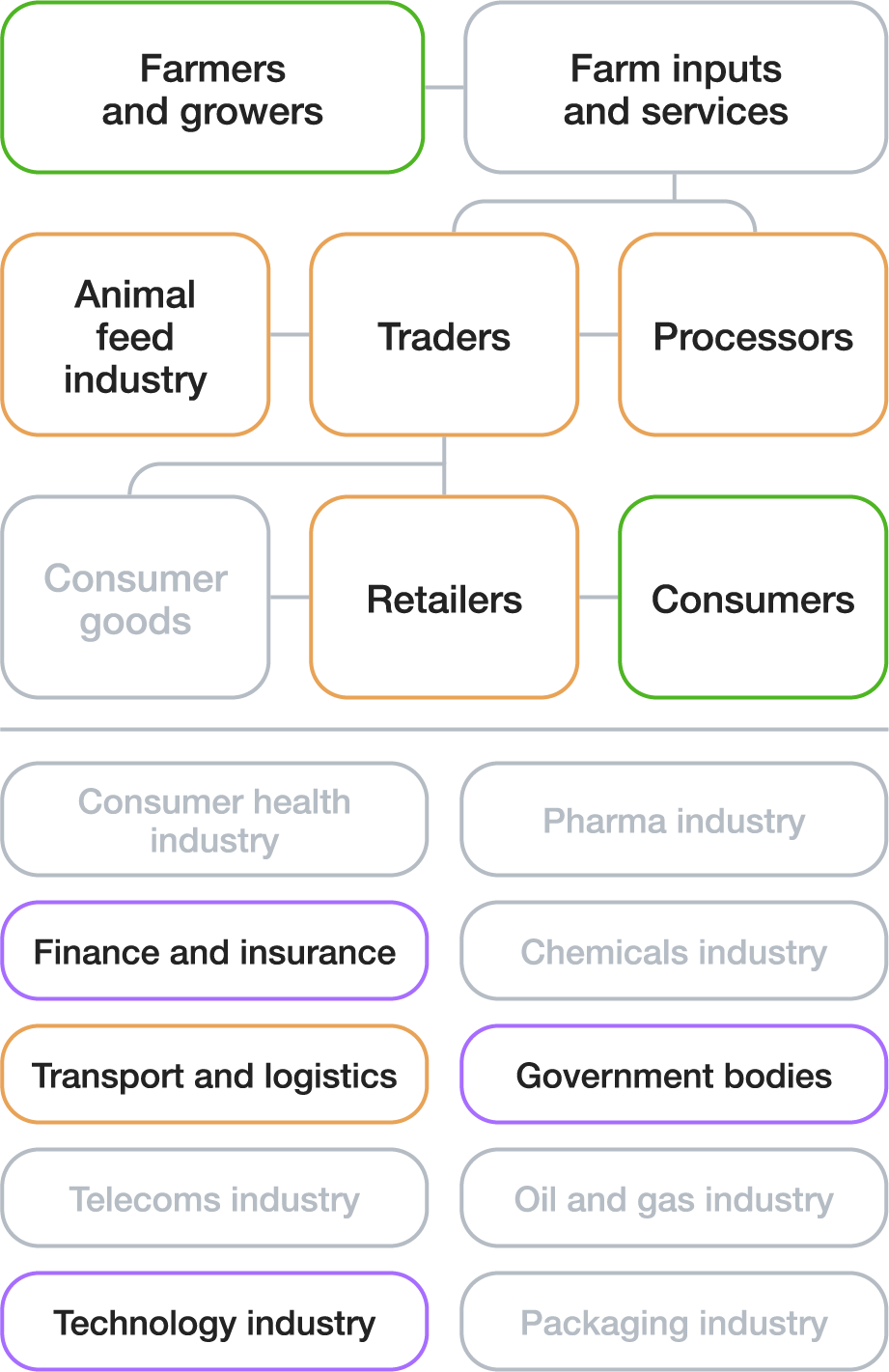
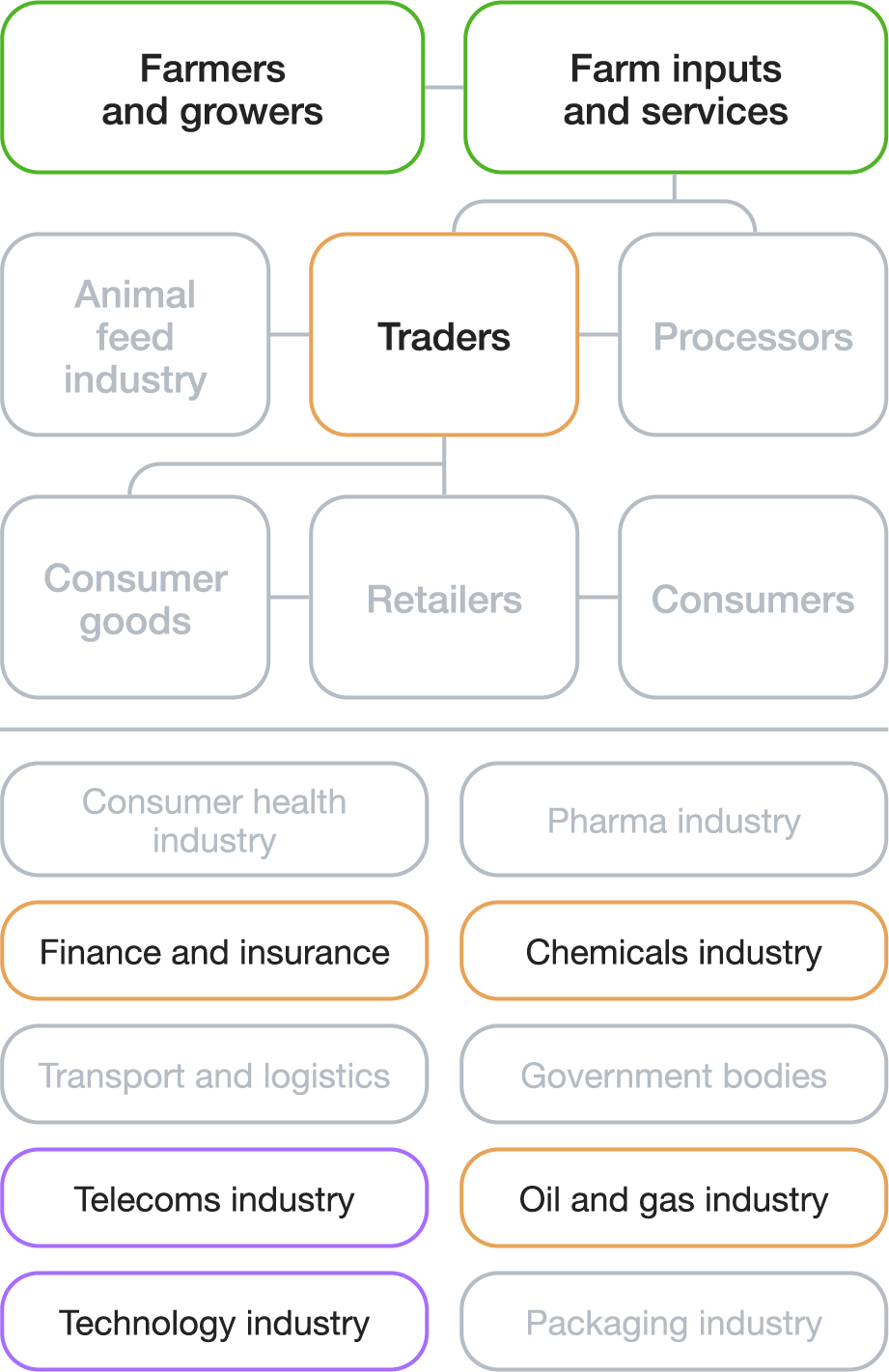
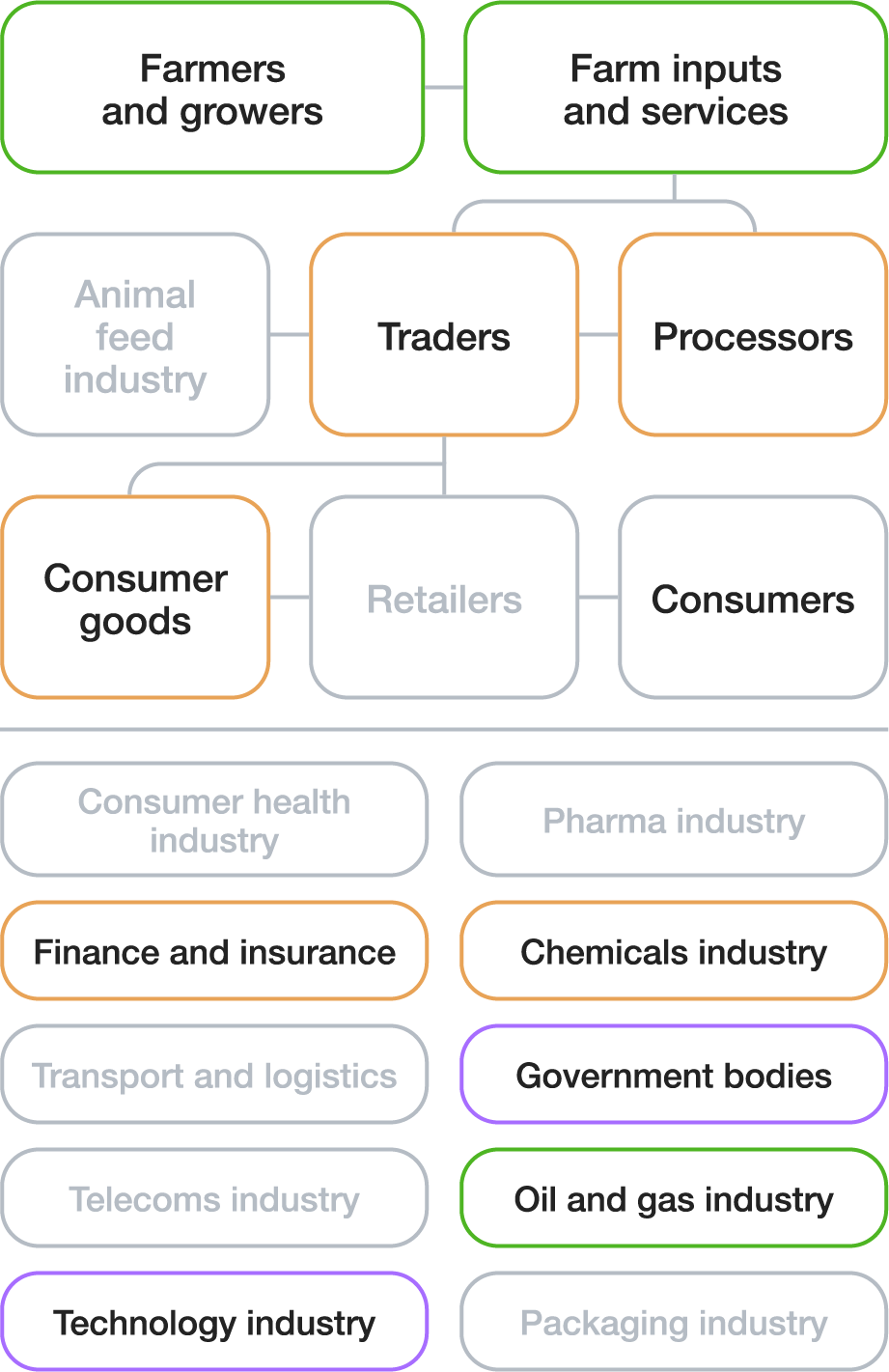
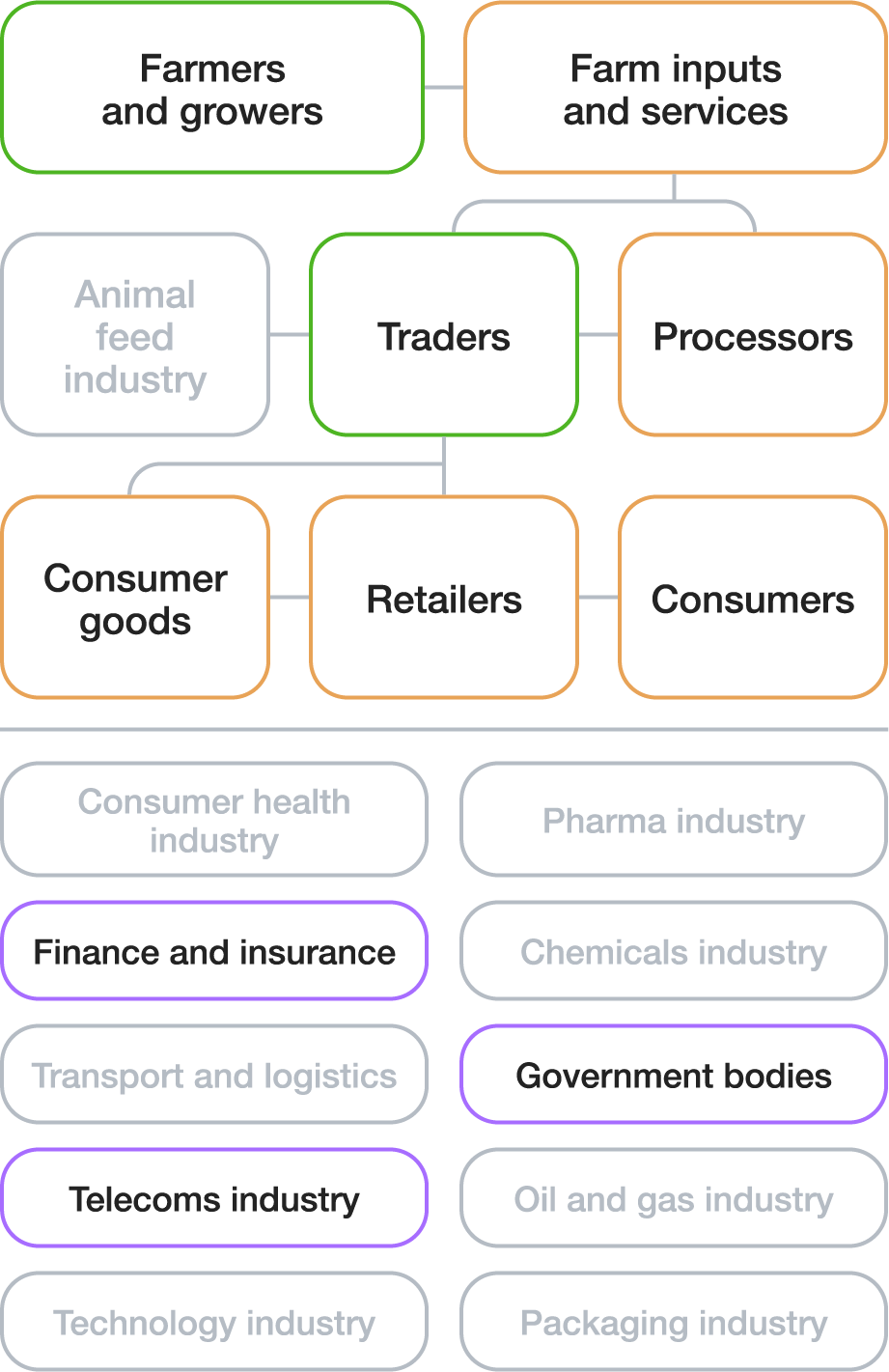
Impact areas:
Direct
Indirect
Key enablers
Fish farming
An African aquaculture company uses closed-loop systems that clean and reuse water to raise yields while reducing waste, emissions, and environmental impact. It also deploys drones to overcome infrastructure gaps and reduce supply chain losses.
Also relevant to:
Transparent and efficient supply chains
Smarter spraying
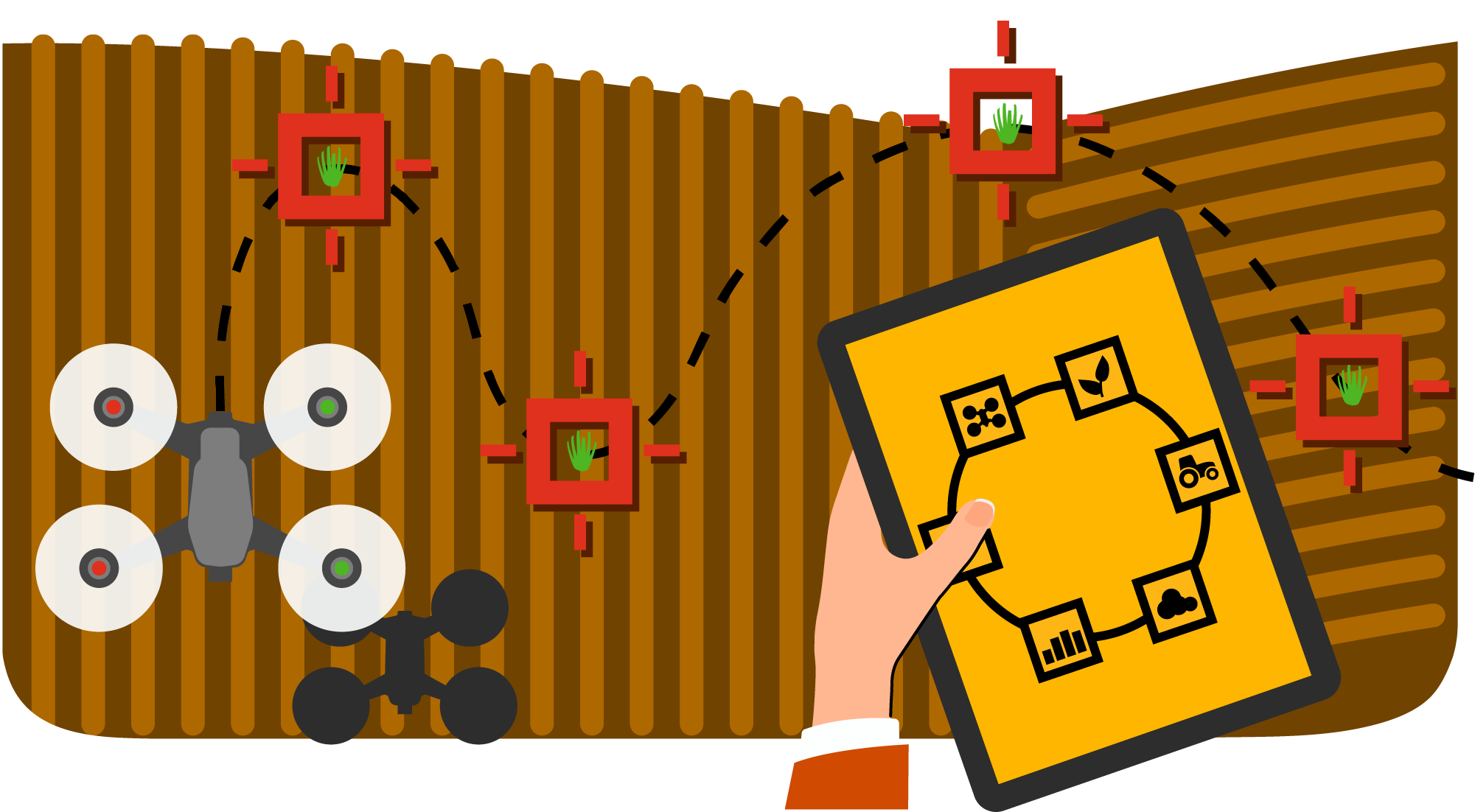
John Deere’s digital farm platform and smart sprayer technology help reduce chemical use and increase crop yields, linking equipment, advice, and operations at scale.
Also relevant to:
Transparent and efficient supply chains
Supportive systems and incentives
Next-gen inputs
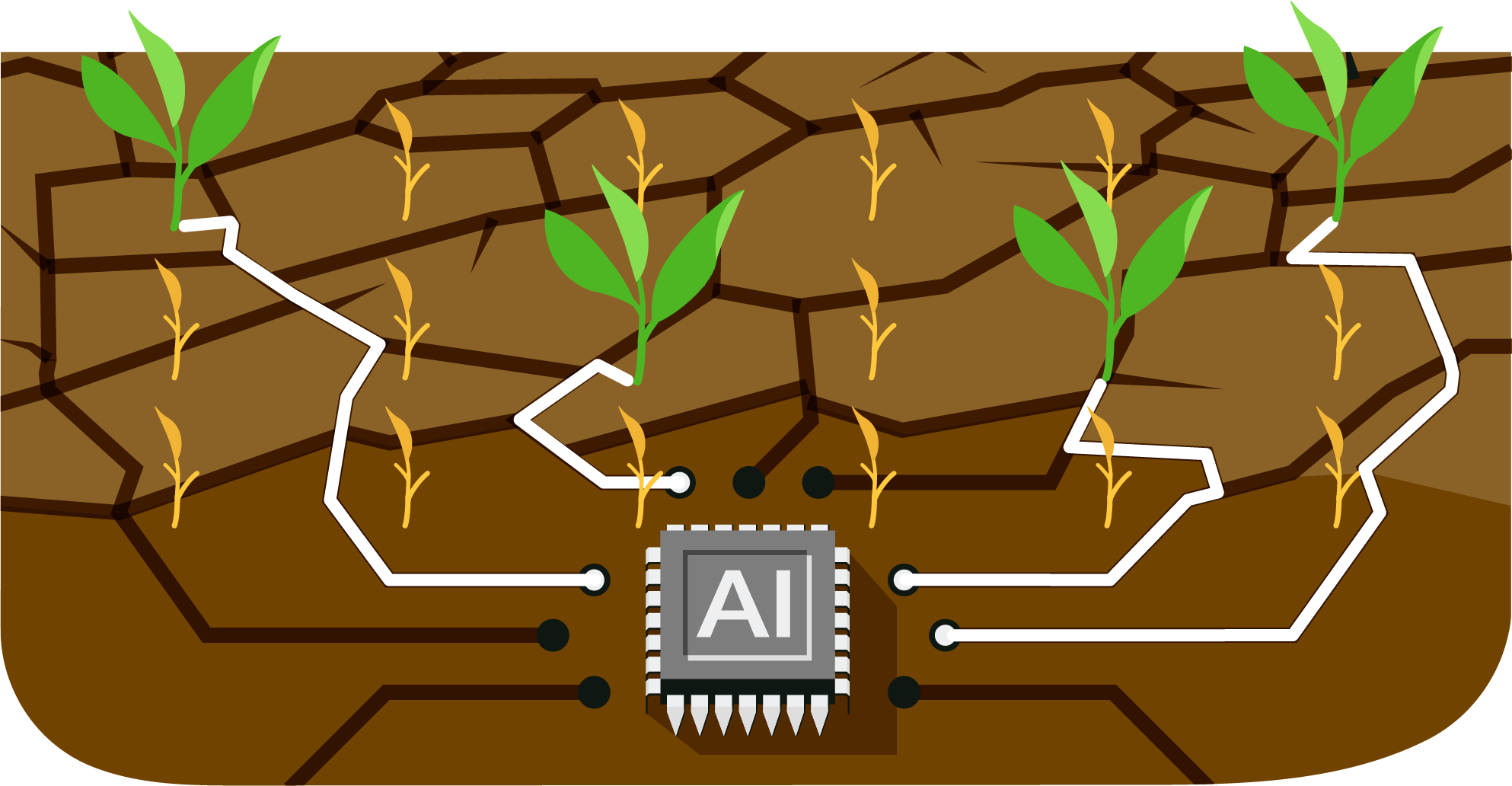
A start-up uses AI to find drought- and heat-resistant genes in crops; a second develops technologies to detect stress in plants. A third company, Nuseed, has developed a low-impact cover crop that can be used as feedstock for sustainable aviation fuel.

Also relevant to:
Transparent and efficient supply chains
Scaling technology and financing
Sustainable soy
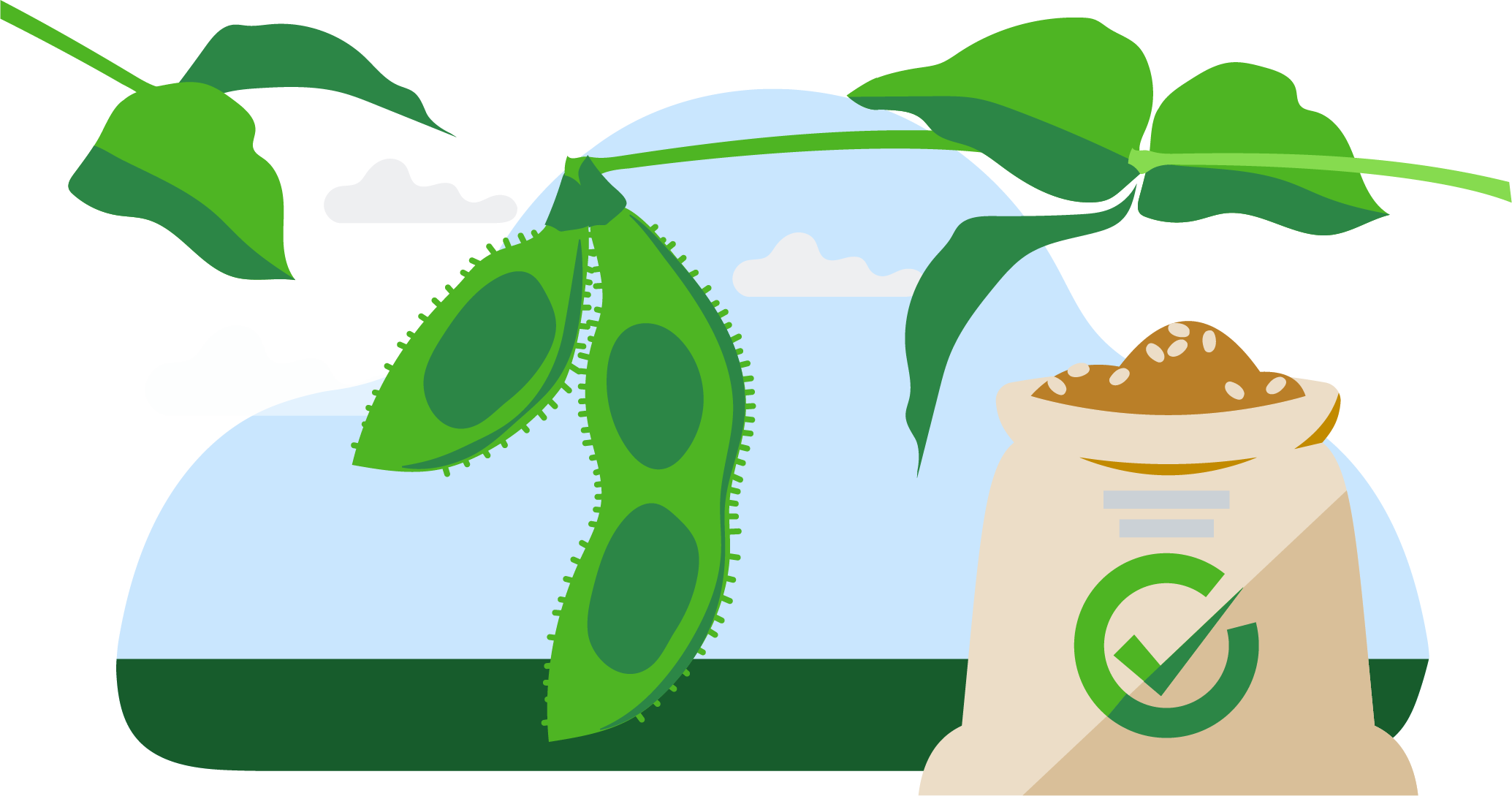
The Sustainable Soy in the Cerrado Program (PSSC) promotes sustainable, deforestation-free soybean production in Brazil’s endangered Cerrado biome through innovation in agri start-ups.

More issuesMore from s+bPodcastpwc.comShare

Subscribe
Illustrations by Paul Weston

©2025 PwC. All rights reserved. PwC refers to the PwC network and/or one or more of its member firms, each of which is a separate legal entity. Please see www.pwc.com/structure for further details. Strategy+business is published by certain member firms of the PwC network. Articles published in strategy+business do not necessarily represent the views of the member firms of the PwC network. Reviews and mentions of publications, products, or services do not constitute endorsement or recommendation for purchase. Mentions of Strategy& refer to the global team of practical strategists that is integrated within the PwC network of firms. For more about Strategy&, see www.strategyand.pwc.com. No reproduction is permitted in whole or part without written permission of PwC. “Strategy+business” is a trademark of PwC. Cookie Policy
Change analytics preferences
We use cookies to make our site work well for you and continually improve it. The cookies that keep the site functioning are always on. We use analytics to help us understand what content is of most interest. For detailed information on how we use cookies and other tracking technologies, please visit our cookies information page. It’s your choice to accept the use of analytics or not by clicking “Accept” or “Decline.”
Accept
Decline
Stuti Sethi
Strategy&, Director, PwC Netherlands

Harald Dutzler
Global Consumer Goods Leader, PwC Strategy& Austria

Sabine Durand-Hayes
Global Consumer Markets Leader, PwC France

Contact us
How can we secure the future of food?
PwC’s Voice of the Consumer 2025: A new recipe for the food industry
Reconfiguring the global food system
Further reading: Go deeper on the future of the food system

This special series of our award-winning podcast explores how the global economy will change over the decade ahead — and what that means for business and society.
EXPLORE
Want to hear more?
Get s+b direct to your inbox
Want more insights?
Subscribe
Let us know what you think about s+b
Tell us your thoughts
Give feedback

More issues

BACK TO TOP





“Best-before” pricing
Cooling on demand
Freshness under pressure
“Best-before” pricing
Cooling on demand
Freshness under pressure
Food system success stories:
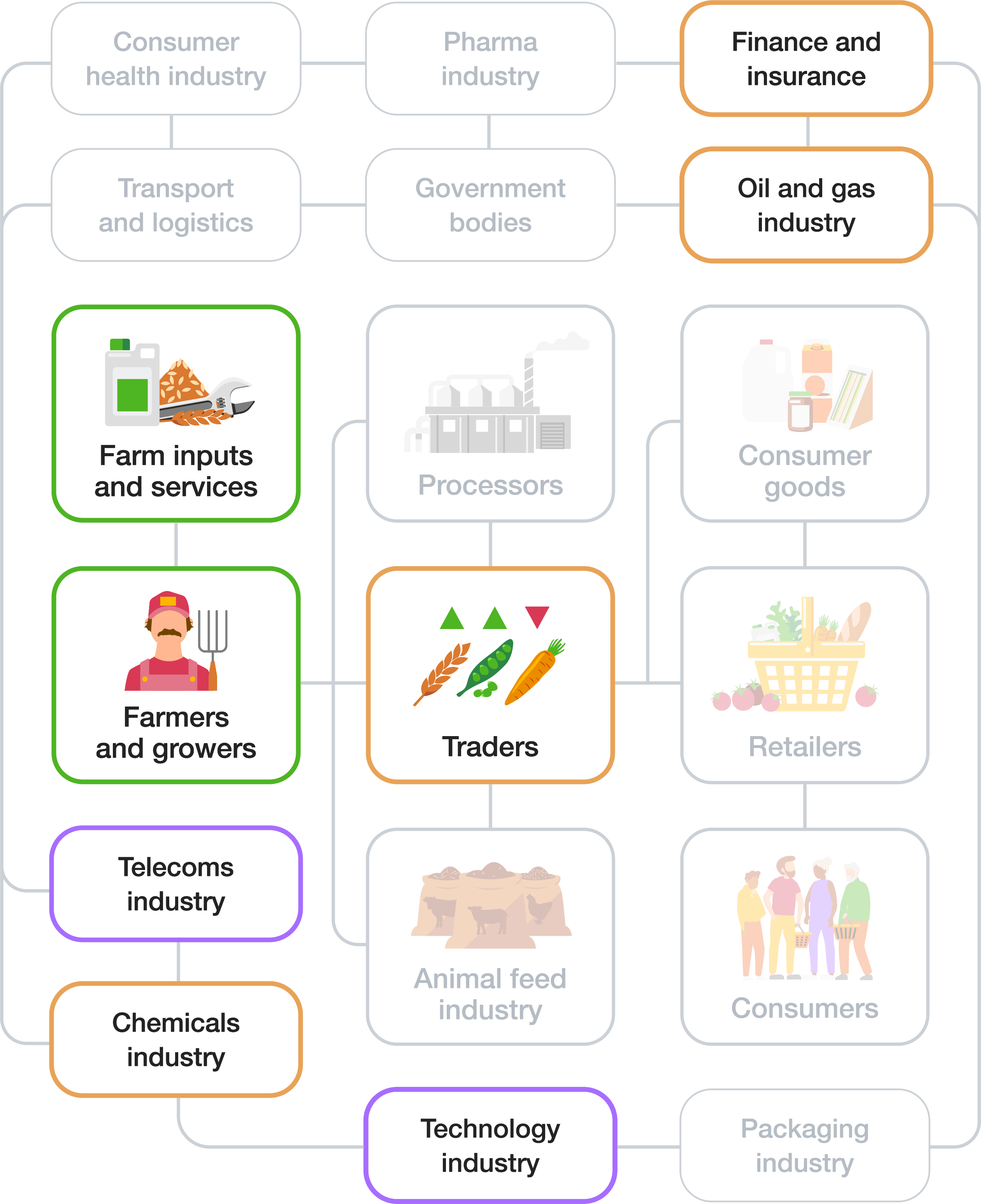
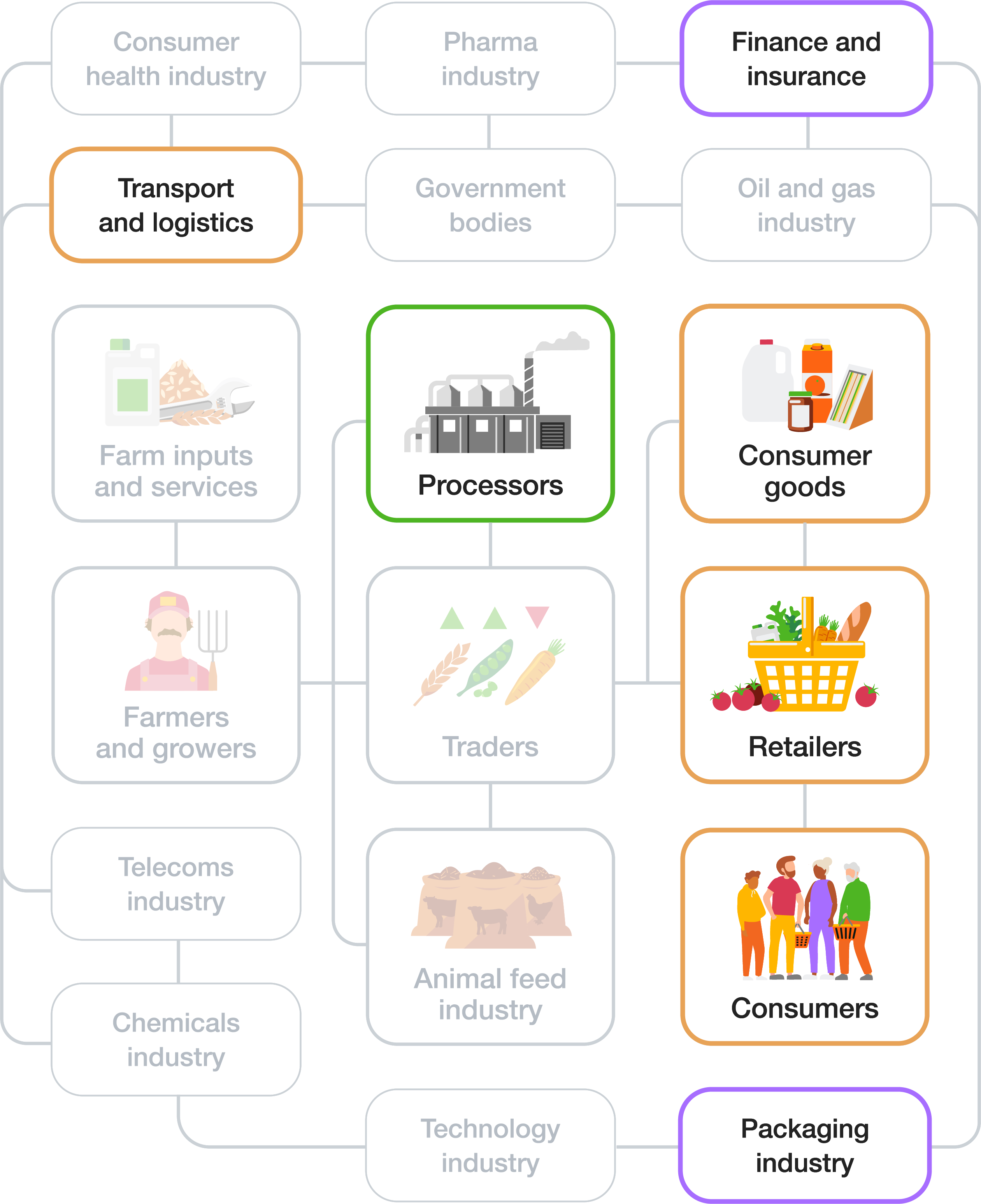
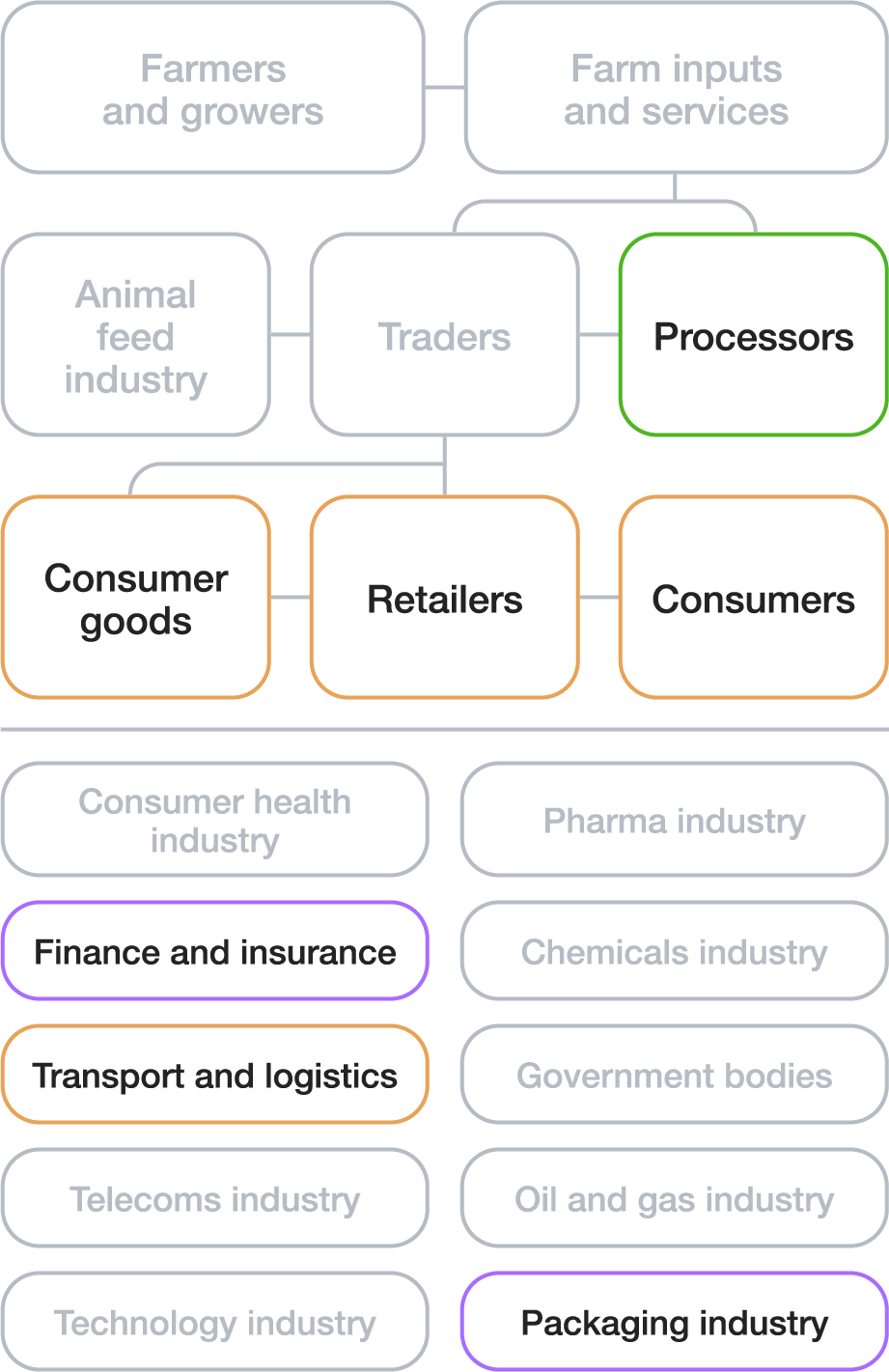
Building resilient, transparent, and efficientvalue chains will reduce waste, strengthen food security, and support fairer distribution of value.
About one-third of all food produced is lost or wasted; food supply chains arefragmented and vulnerable to shocks.
Also relevant to:
Transparent and efficient supply chains
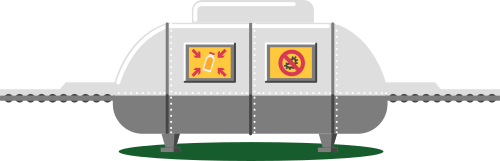
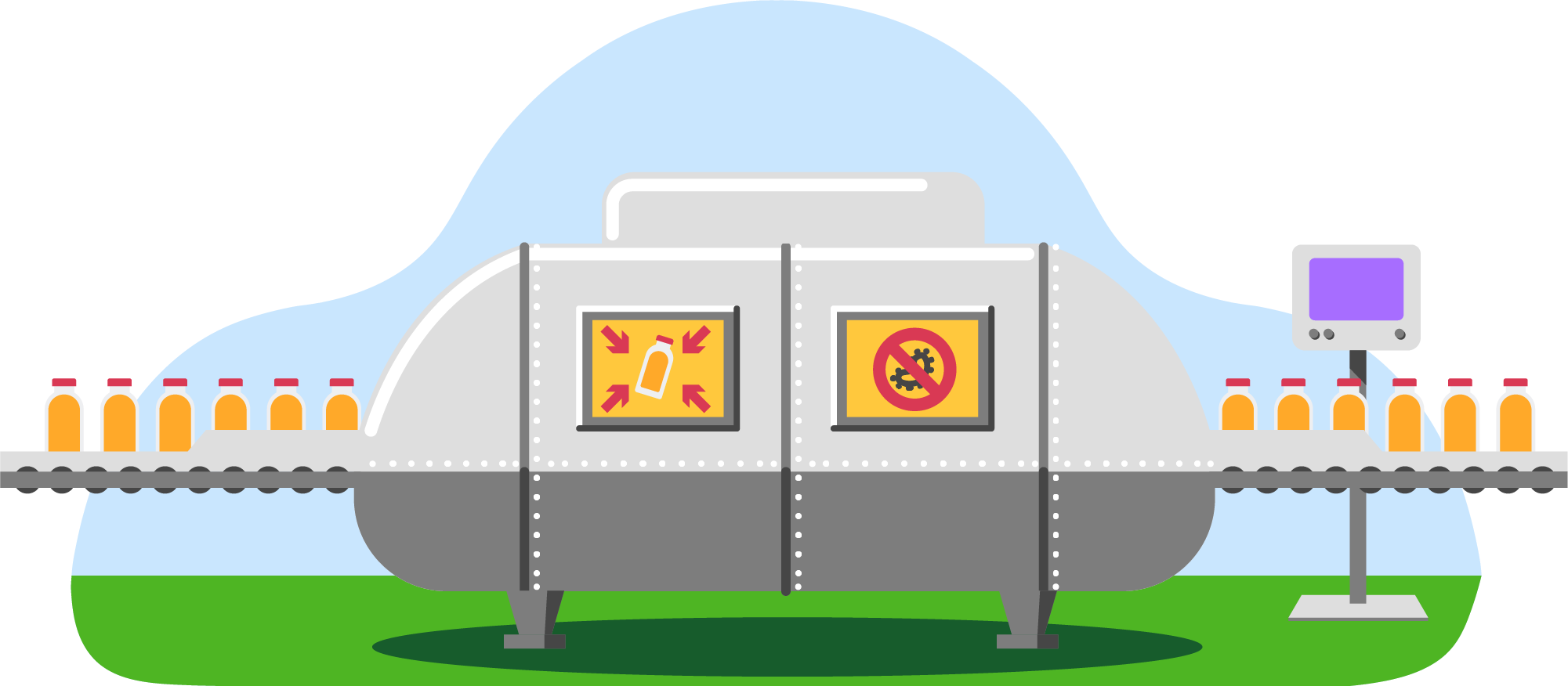
High-pressure processing (HPP) uses pressure instead of heat to keep food safe and fresh longer. HPP tolling services allow producers (e.g., of juice, meat, and ready-to-eat meals) to access these benefits without buying expensive equipment.
Freshness under pressure
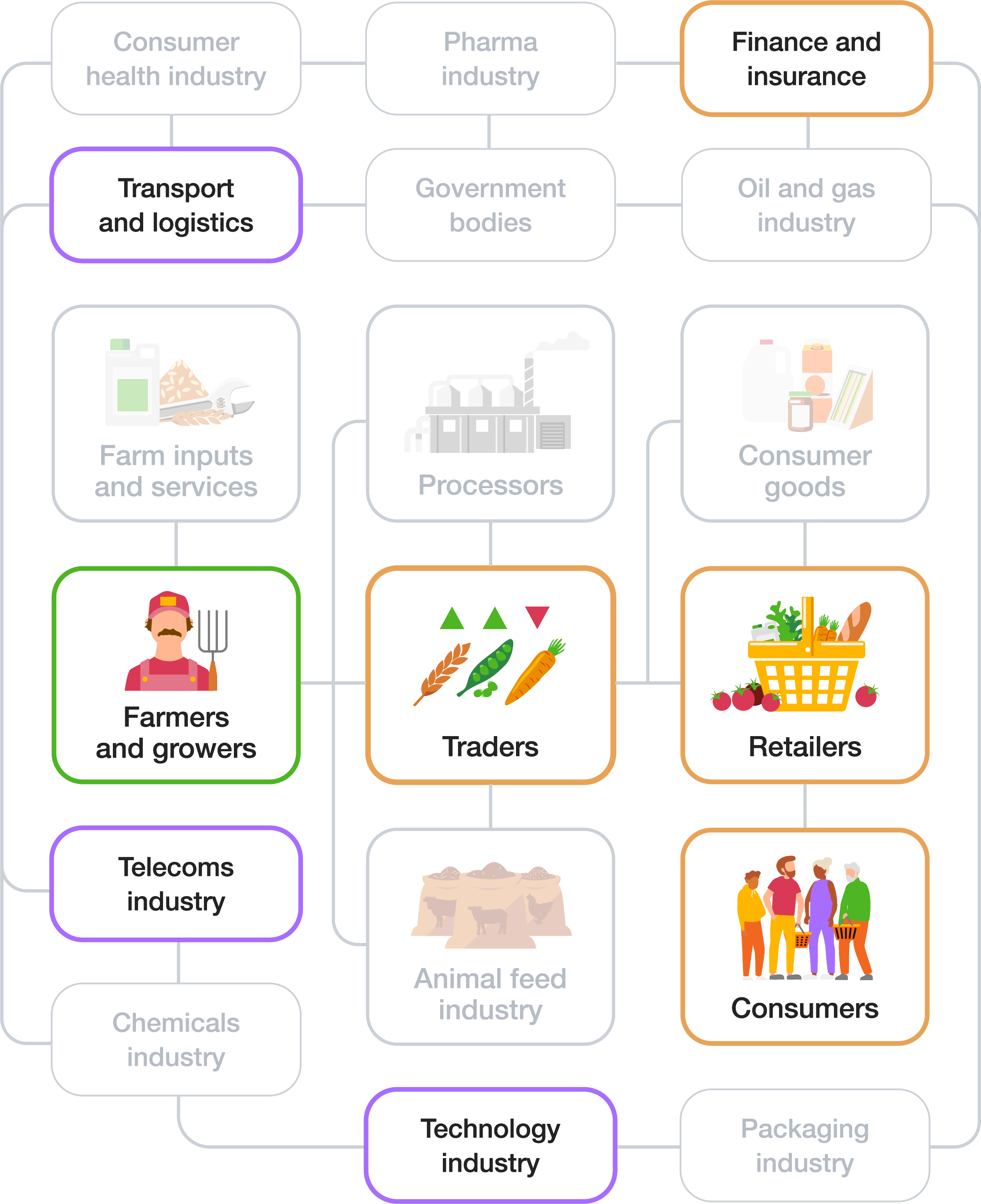
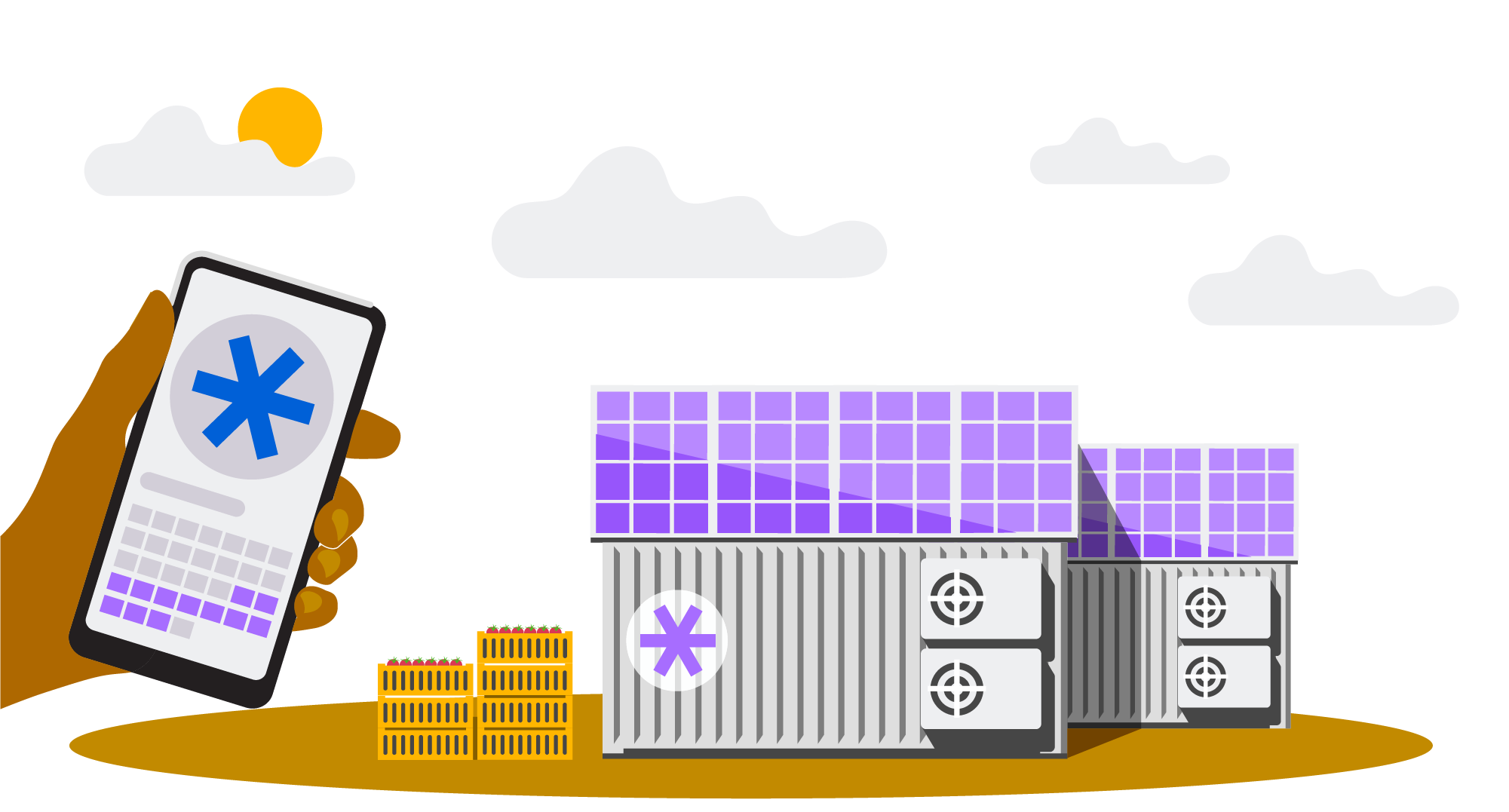
SokoFresh leases solar cold storage to Kenyan farmers, reducing their post-harvest losses and boosting their revenues, in part by enabling aggregated, better-timed sales.
Cooling on demand
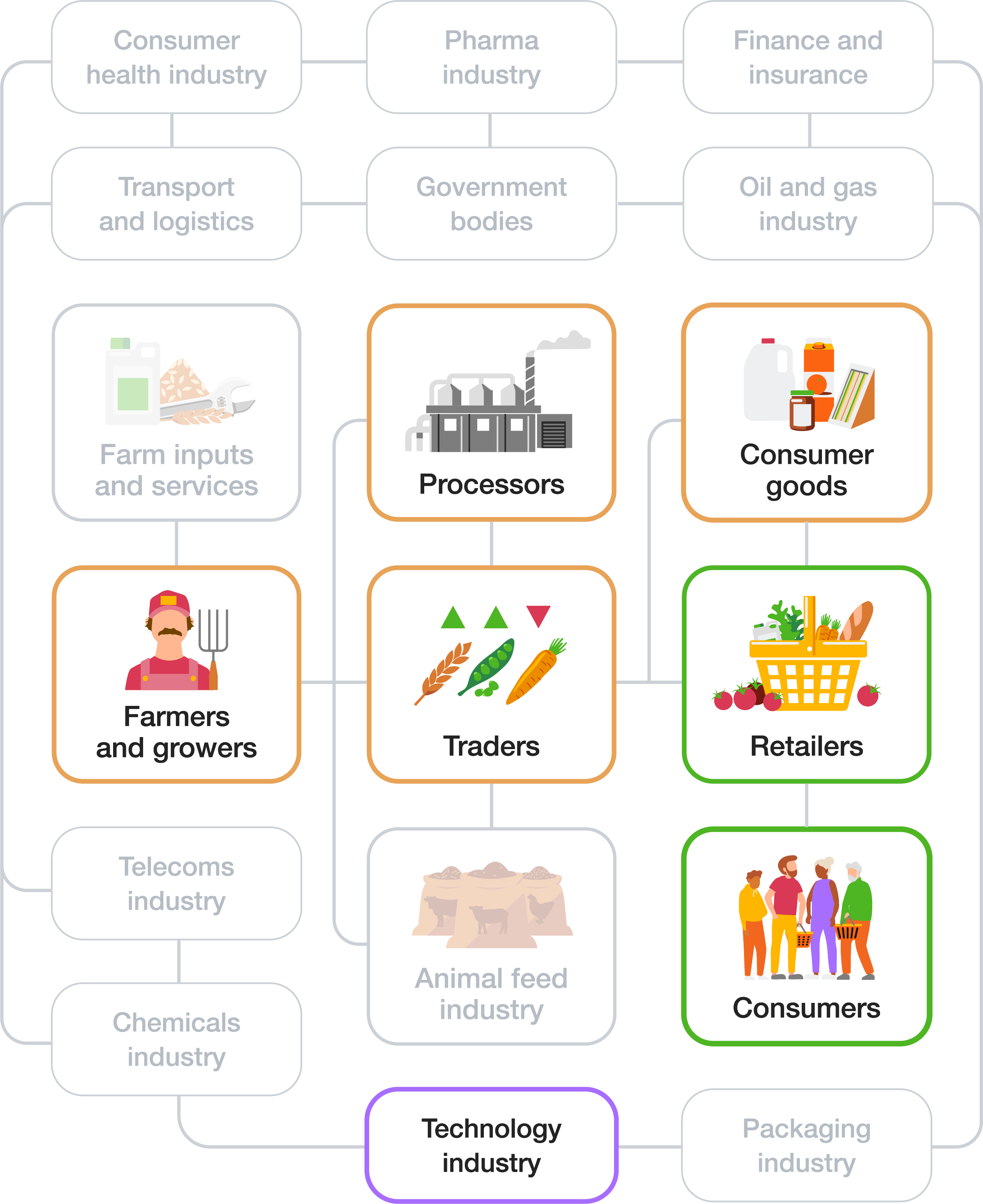
“Best-before” pricing
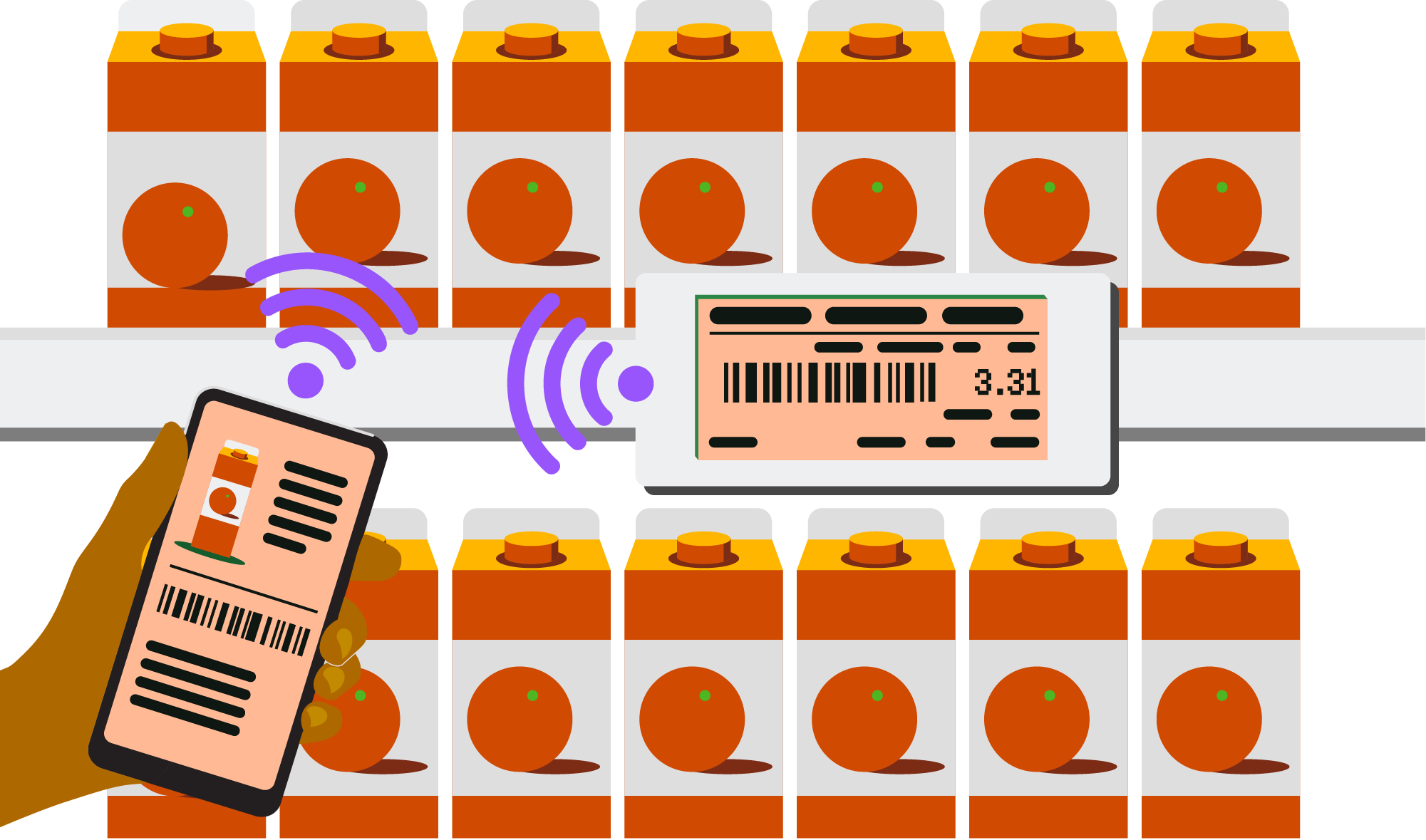
Better supply chain transparency helped a UK retailer adopt dynamic pricing to discount fruits, vegetables, and other products close to their expiration dates, increasing sales by 2–5%. The move also improved margins by reducing food waste and optimizing transport and inventory costs.
Doorstep dining
Evidence-based eating
From lizard to jab
Cowless milk
Doorstep dining
Evidence-based eating
From lizard to jab
Cowless milk
Food system success stories:
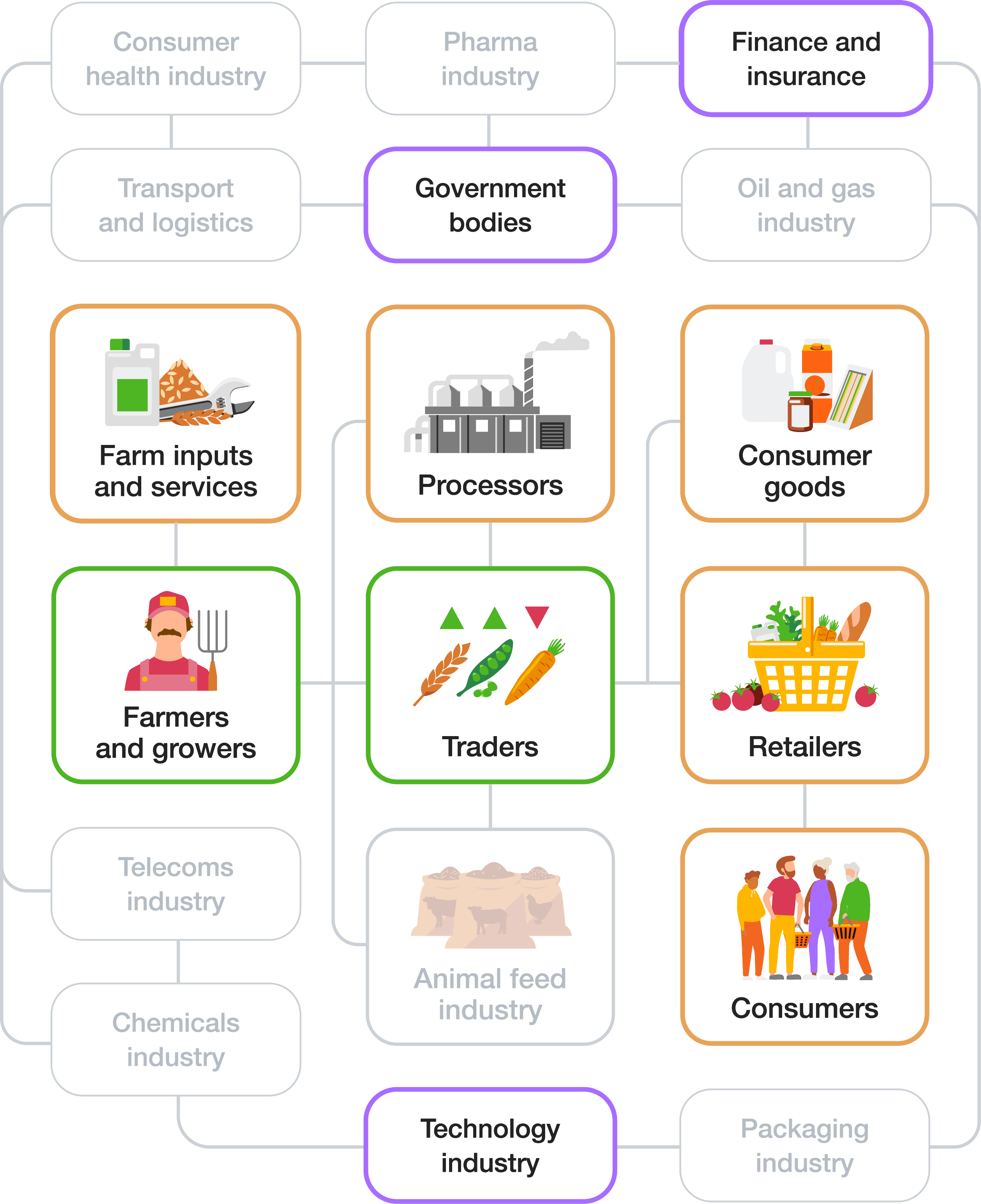
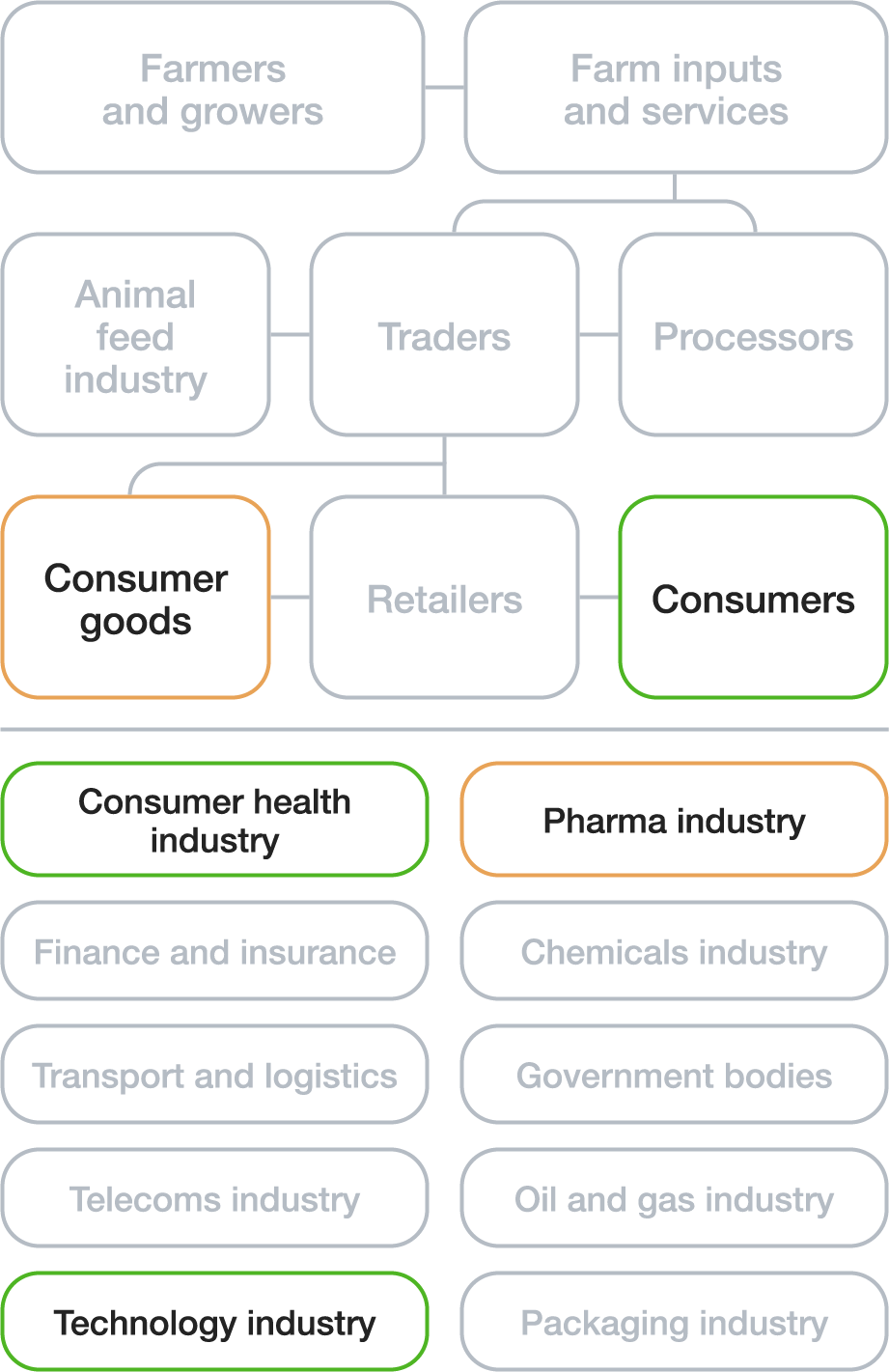
Ensuring equitable access to affordable,nutritious, and sustainable diets will addressundernutrition and overconsumption, whilesupporting the long-term health of people and the planet.
800m+ people are food insecure, while obesity and diet-related disease continue to rise.
Also relevant to:
Better farming practices
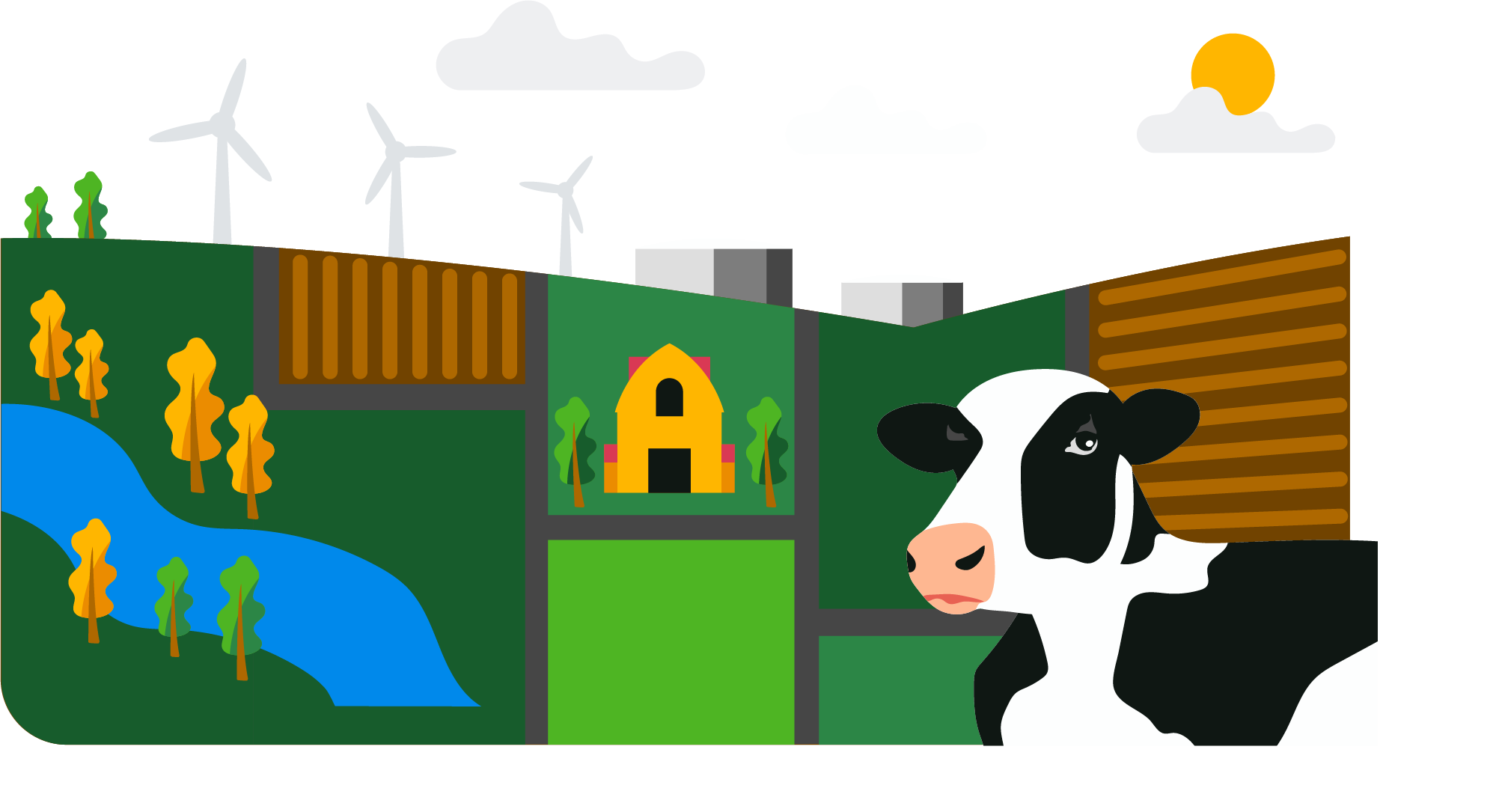
Perfect Day, a food-tech start-up, produces animal-free dairy-alternative proteins from whey, using precision fermentation rather than cows, goats, etc.
Cowless milk
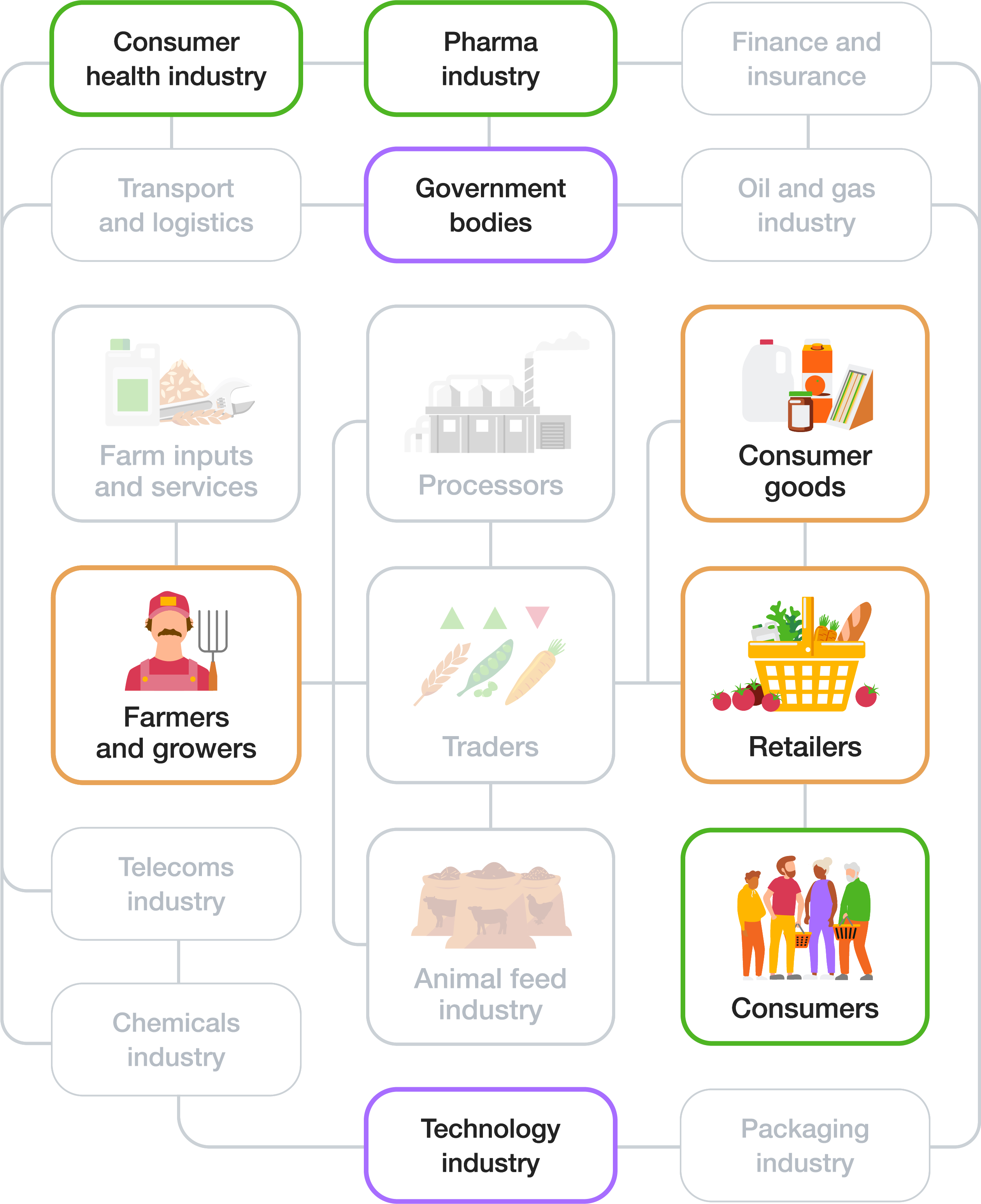
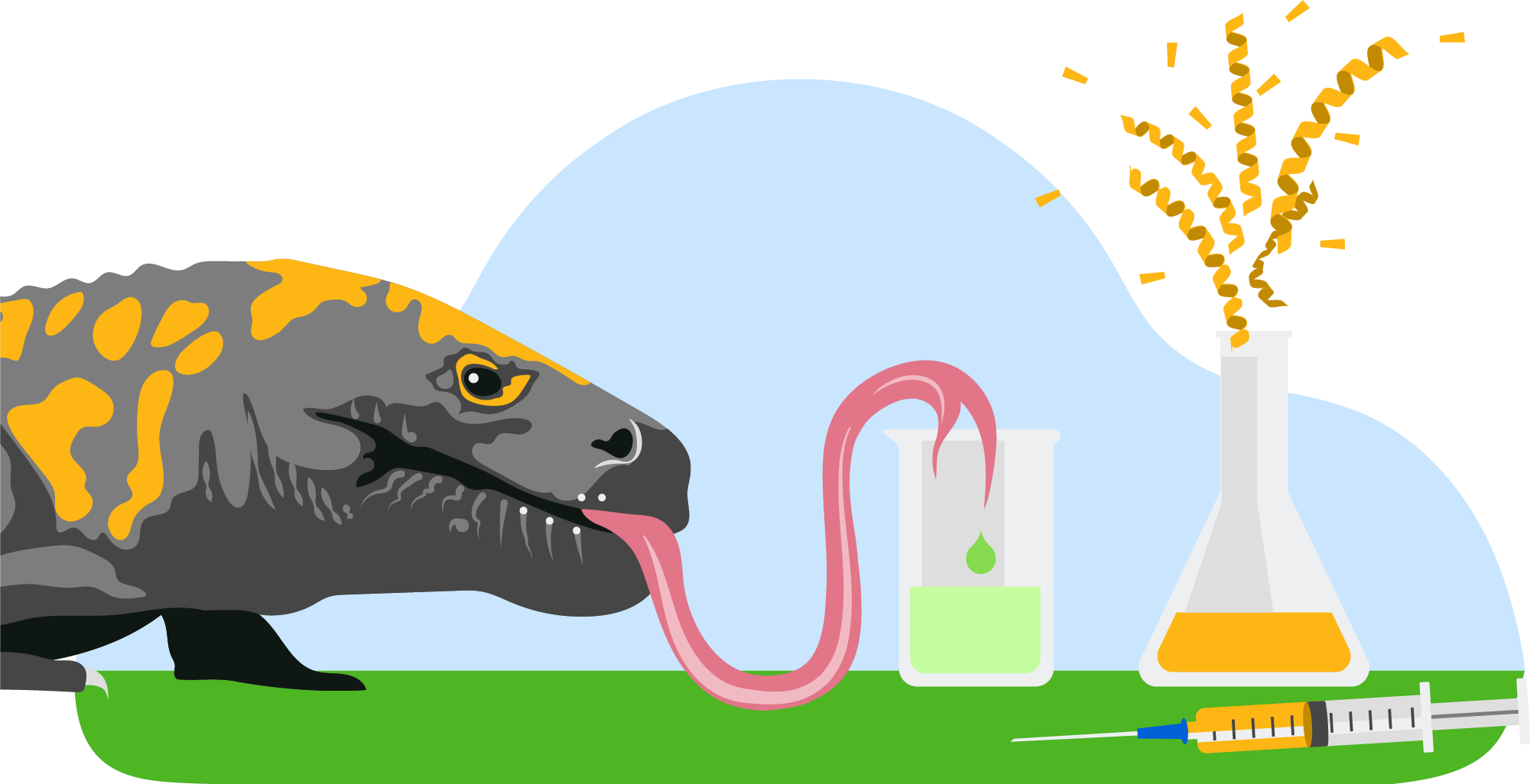
GLP-1 drugs, inspired by a hormone first found in Gila monster saliva, regulate blood sugar and appetite. Originally for diabetes, they’re now transforming obesity care and reshaping food and wellness markets.
From lizard to jab
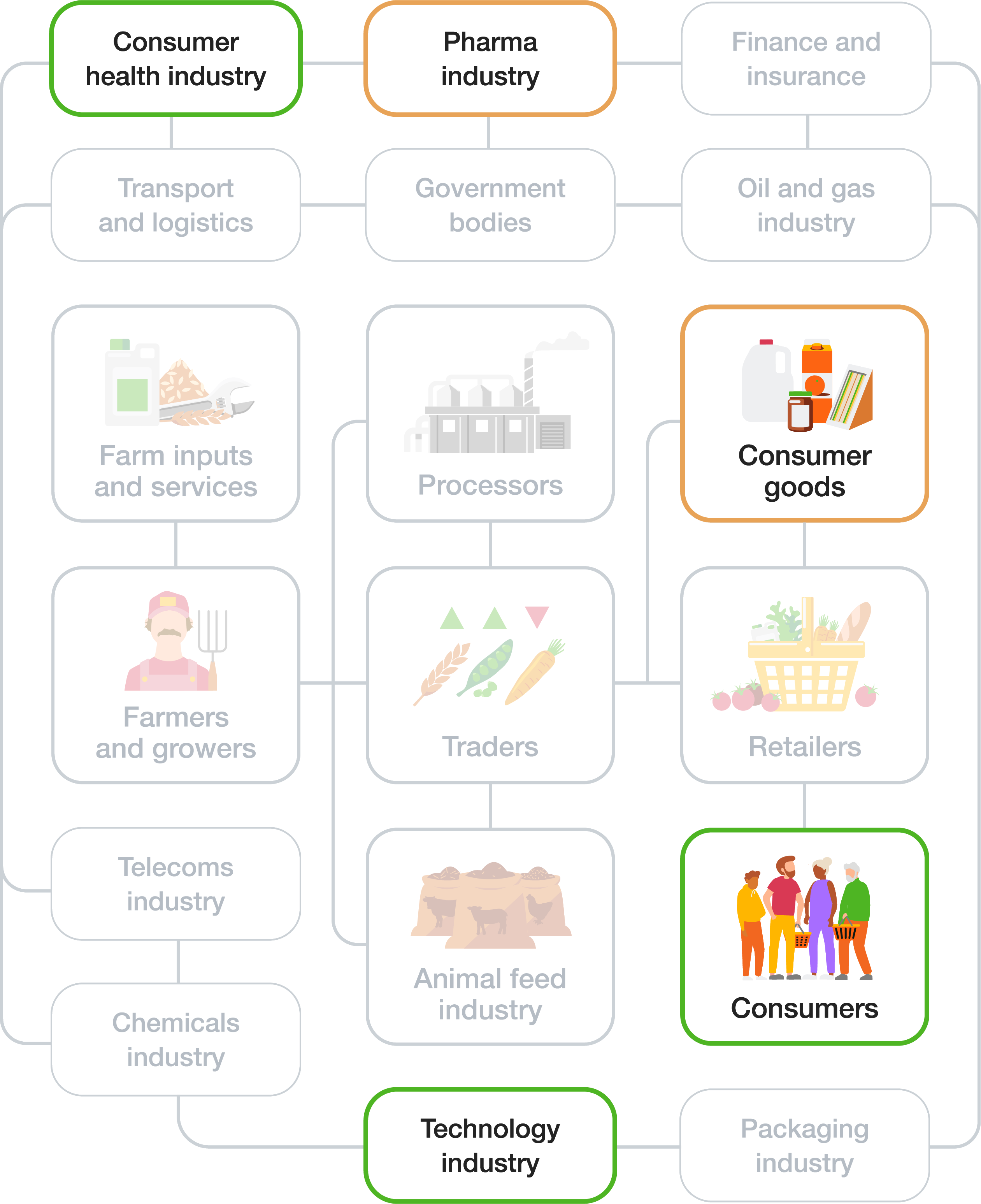
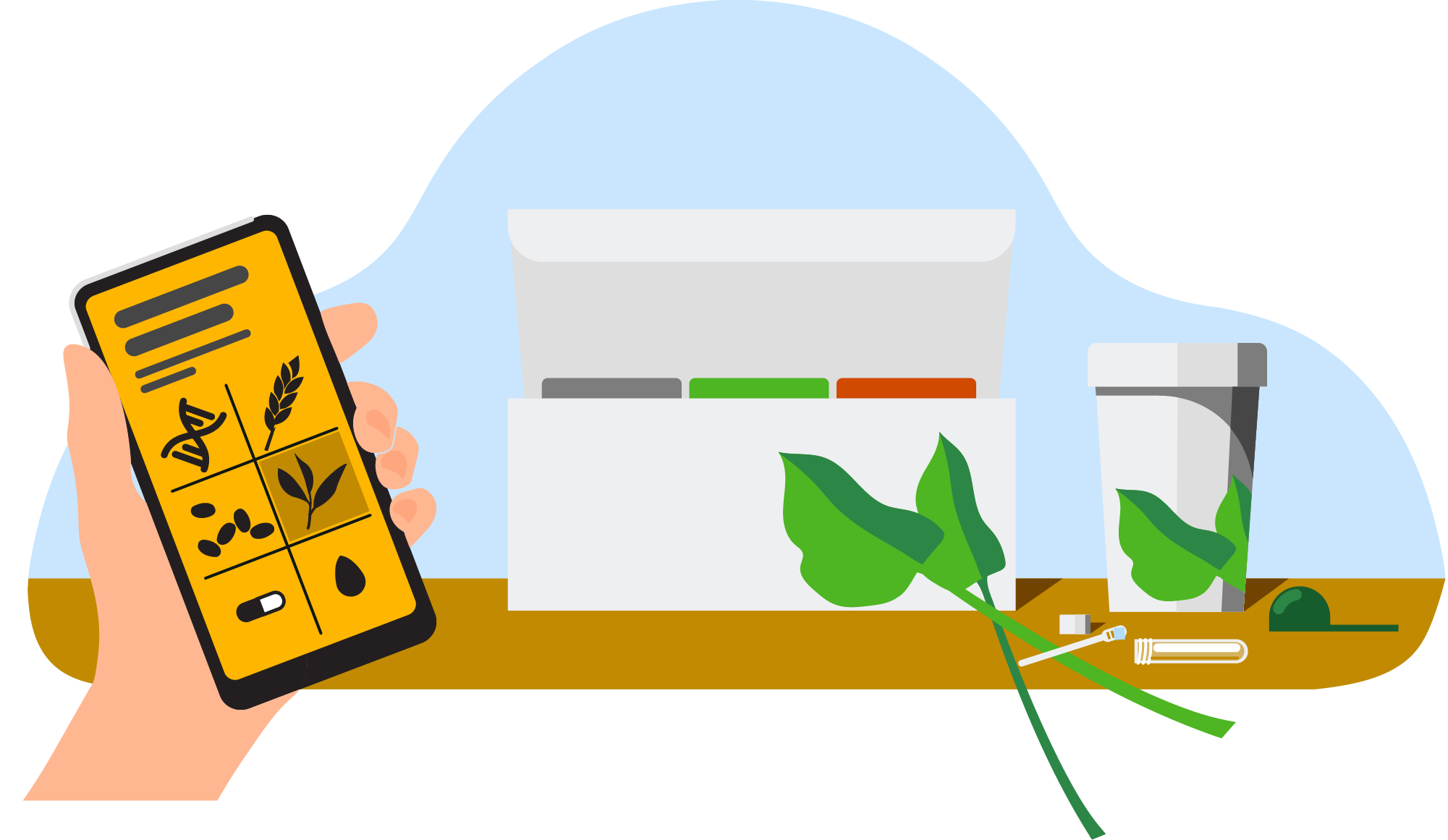
A health-tech company uses at-home testing kits to generate individualized biological insights that guide customers’ daily food choices and overall wellness routines.
Evidence-based eating
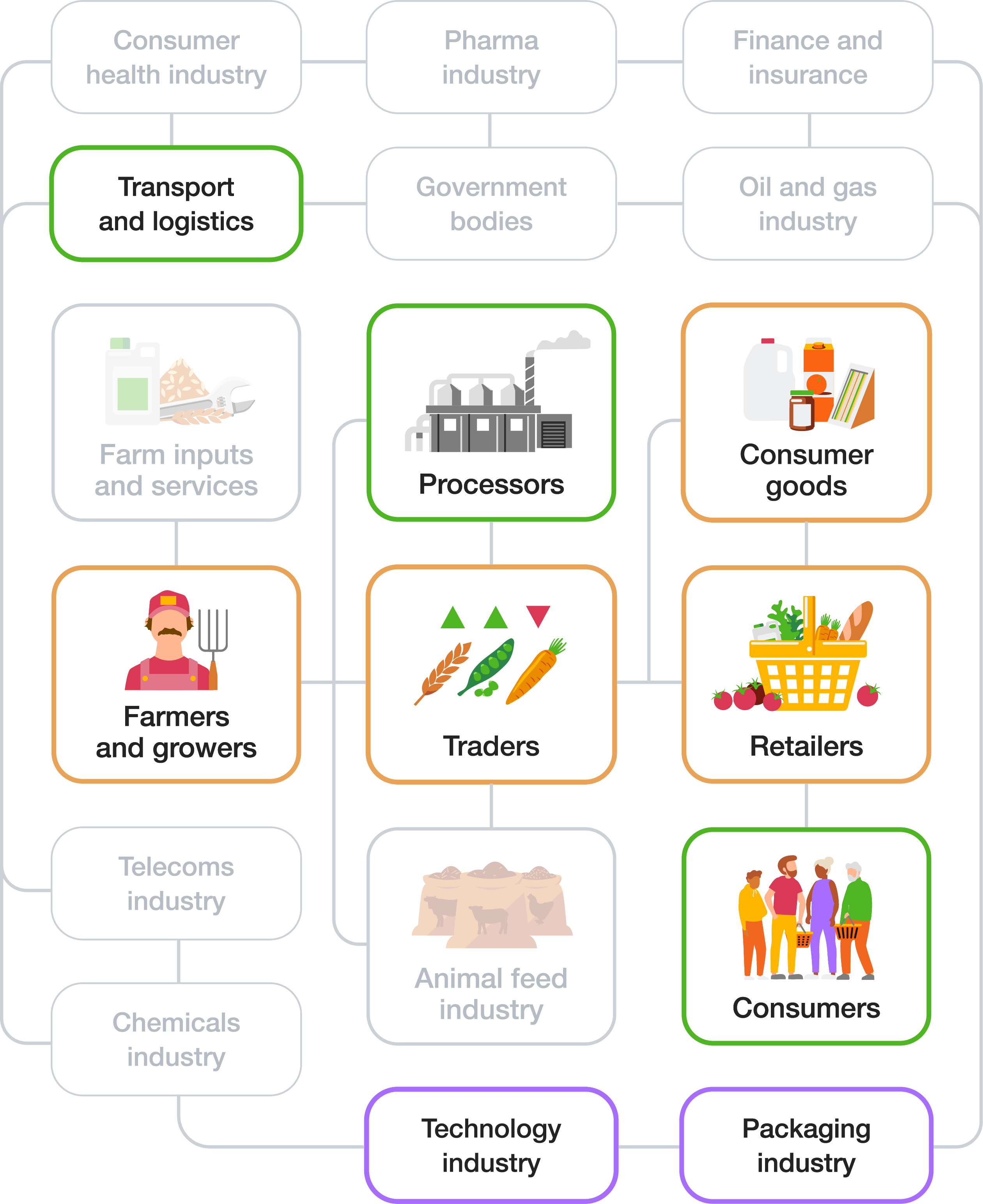
Also relevant to:
Transparent and efficient supply chains
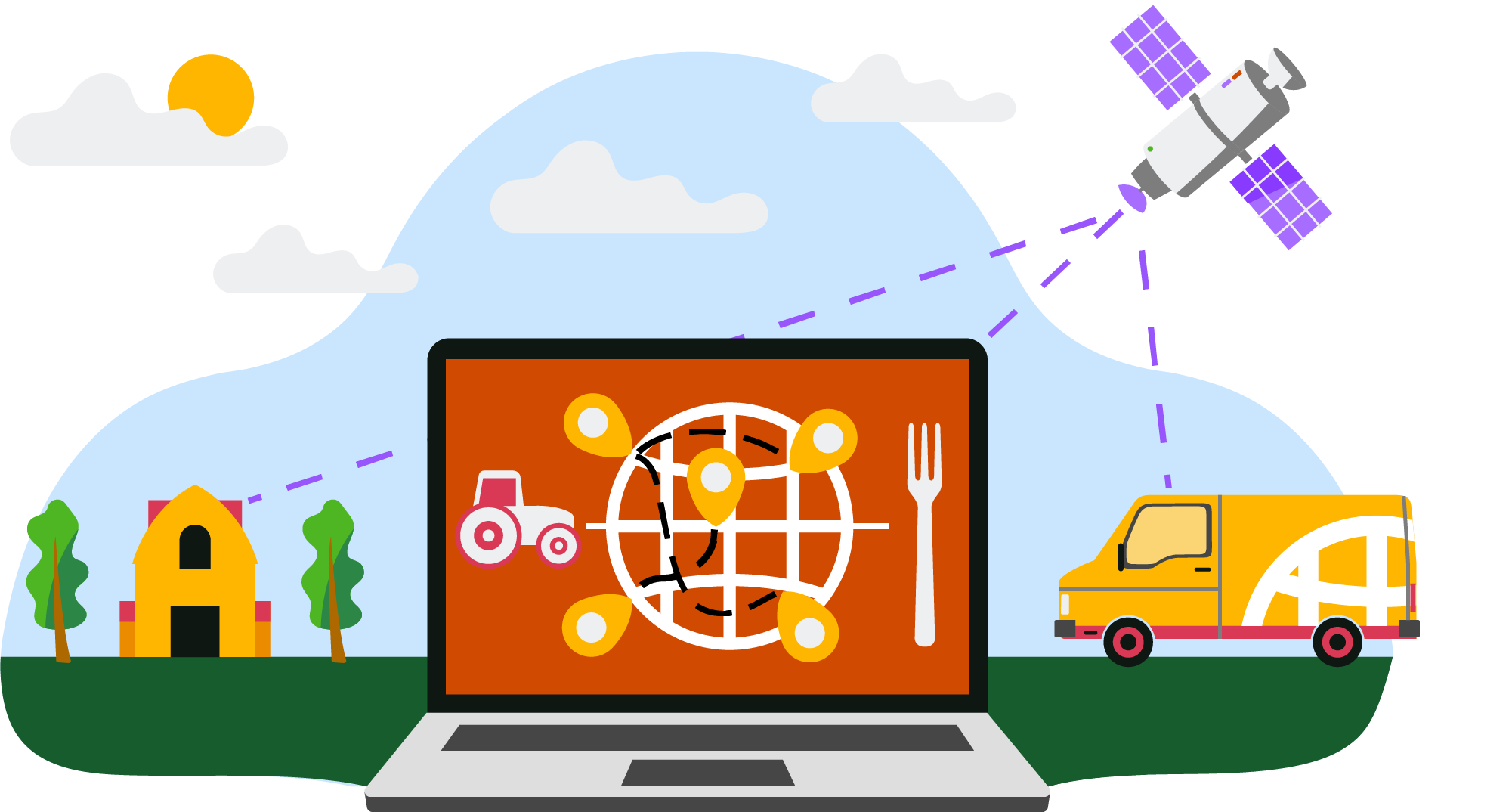
Doorstep dining
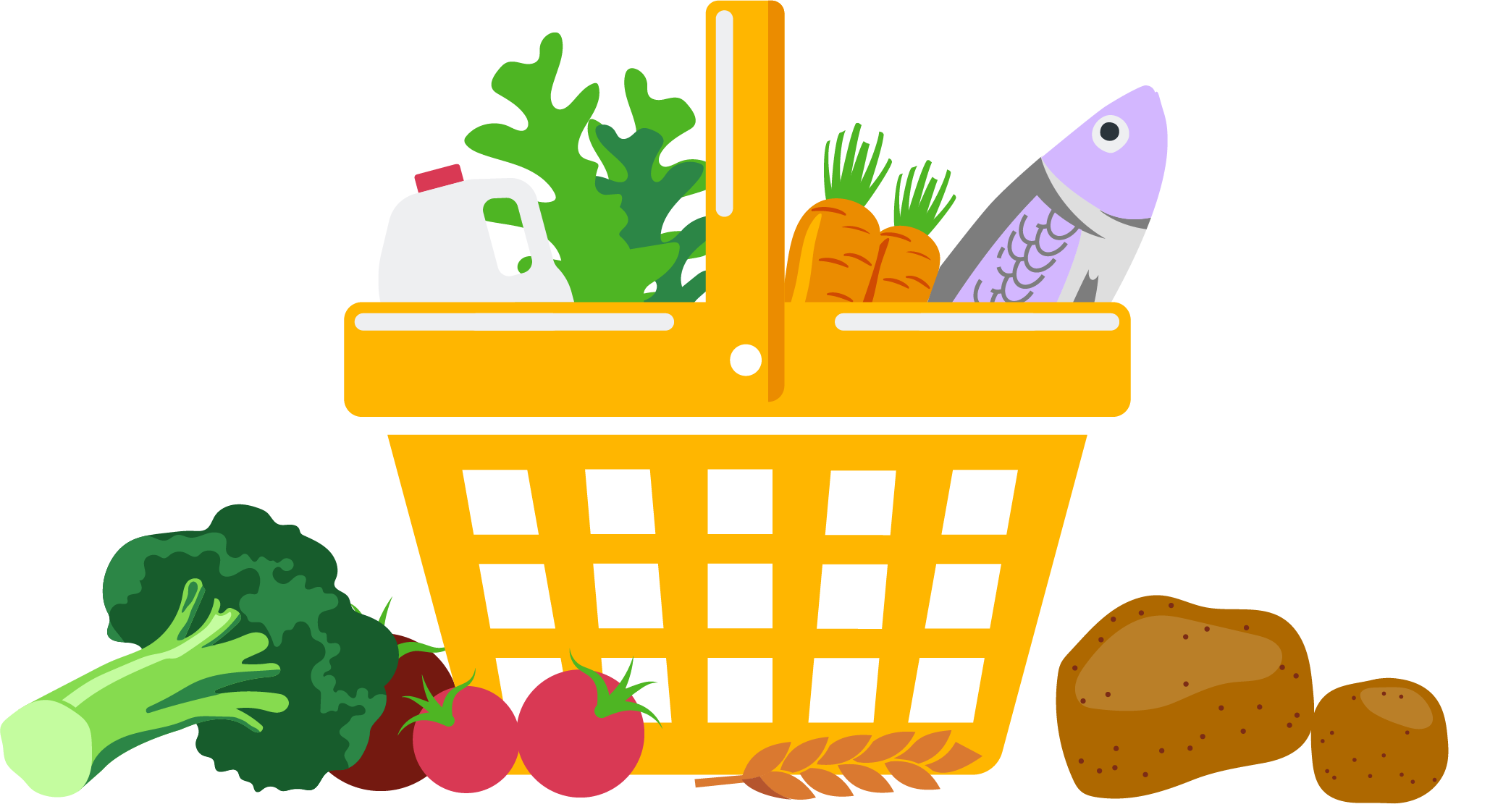
Customers subscribe to weekly deliveries of fresh ingredients and ready-to-eat meals. Data-driven demand planning, curated recipes, and efficient cold-chain logistics boost convenience and cut food waste.


India’s digital farmland
Follow the chocolate
Tractors as a service
India’s digital farmland
Follow the chocolate
Tractors as a service
Food system success stories:
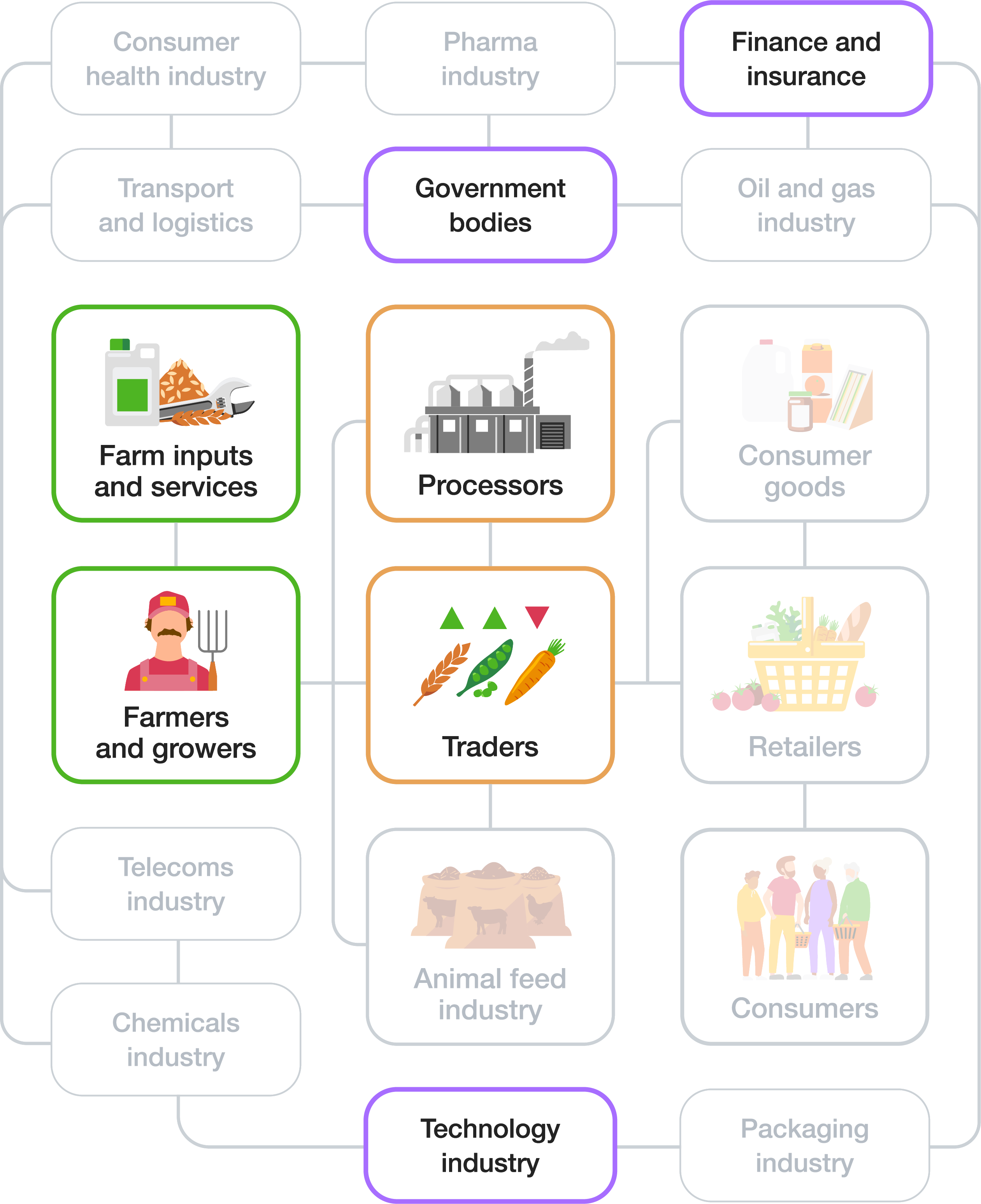
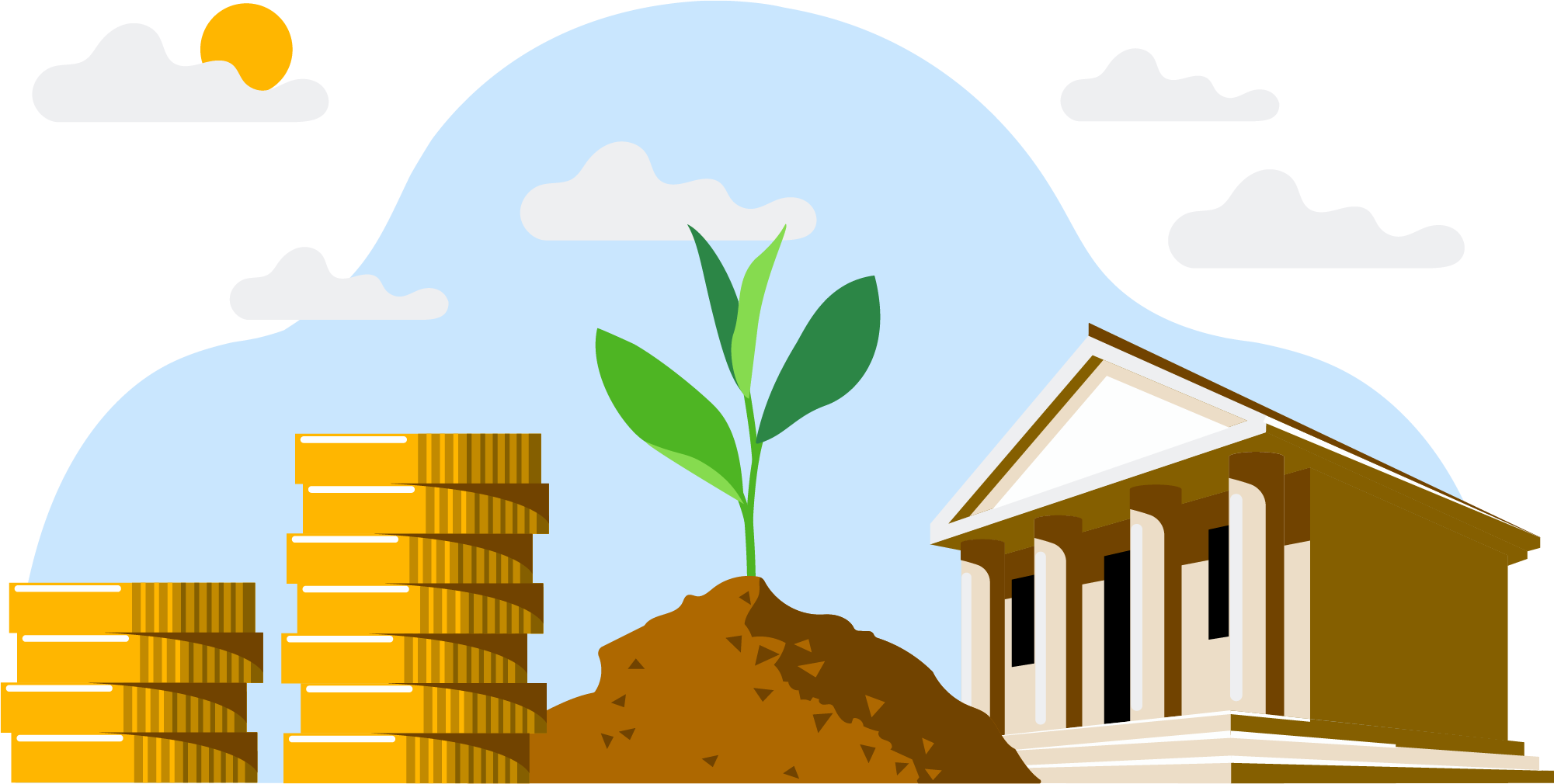
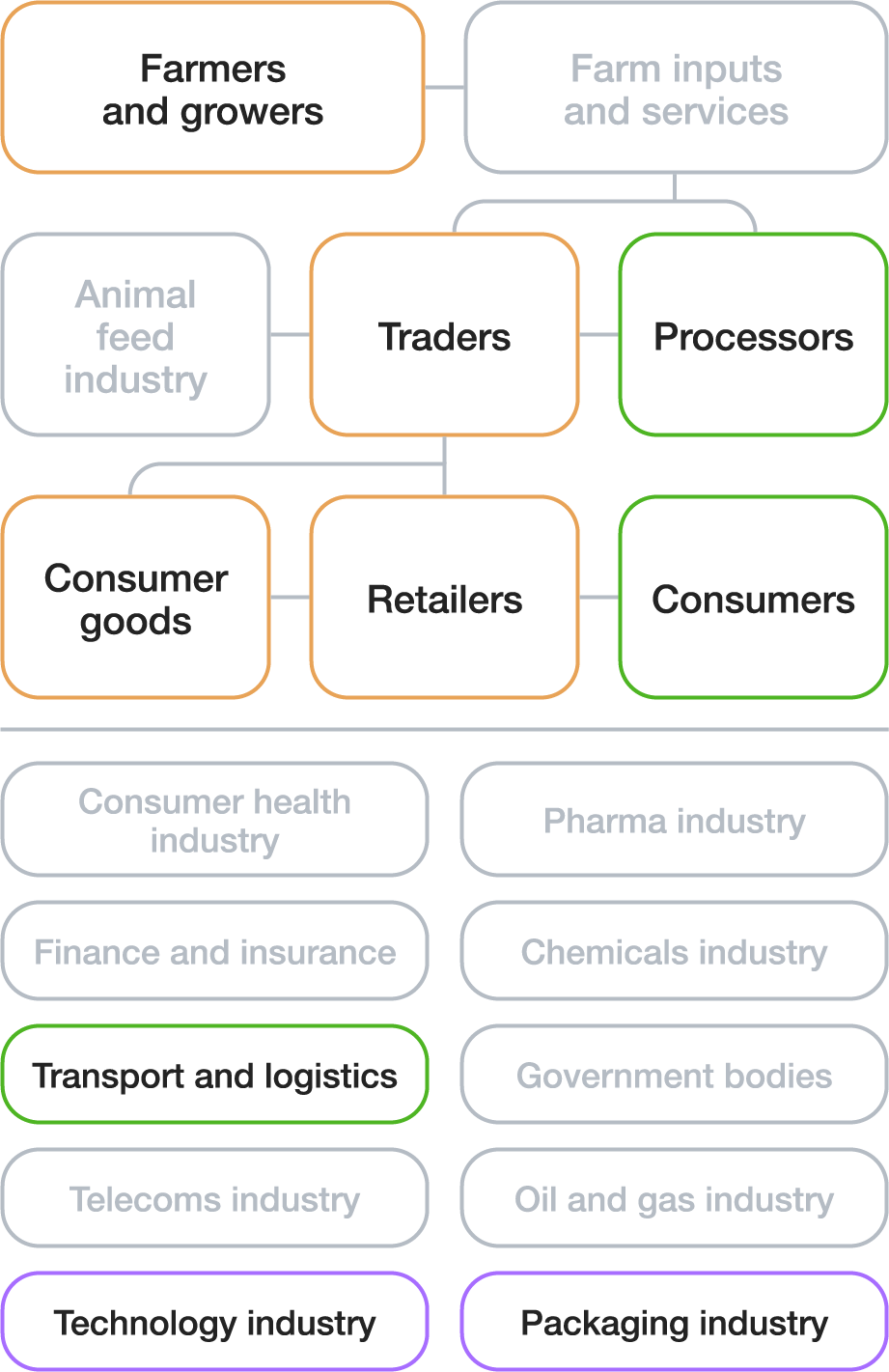
By aligning finance, policy, technology, and collaboration, we can help everyone—from smallholding farmers to global companies—make the shift to a sustainable food system.
Insufficient finance flows and technology,misaligned policies, and weak collaboration across sectors thwart systemic change.
Also relevant to:
Better farming practices
Digital rental platforms help close the mechanization gap by enabling smallholder farmers to book tractors and implements on demand, matching localized machinery capacity with users via apps, telematics, and pay-as-you-go financing.
Tractors as a service
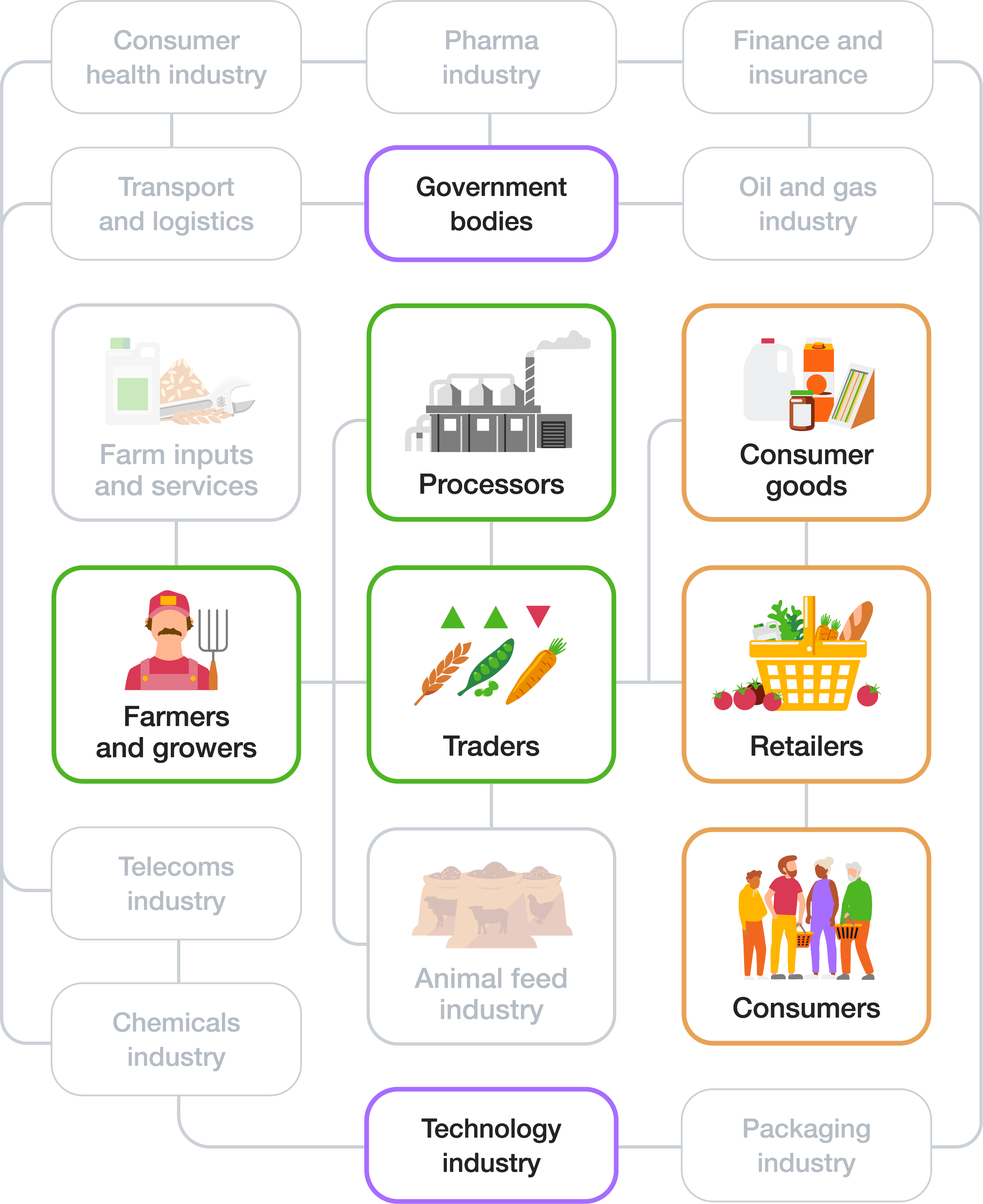
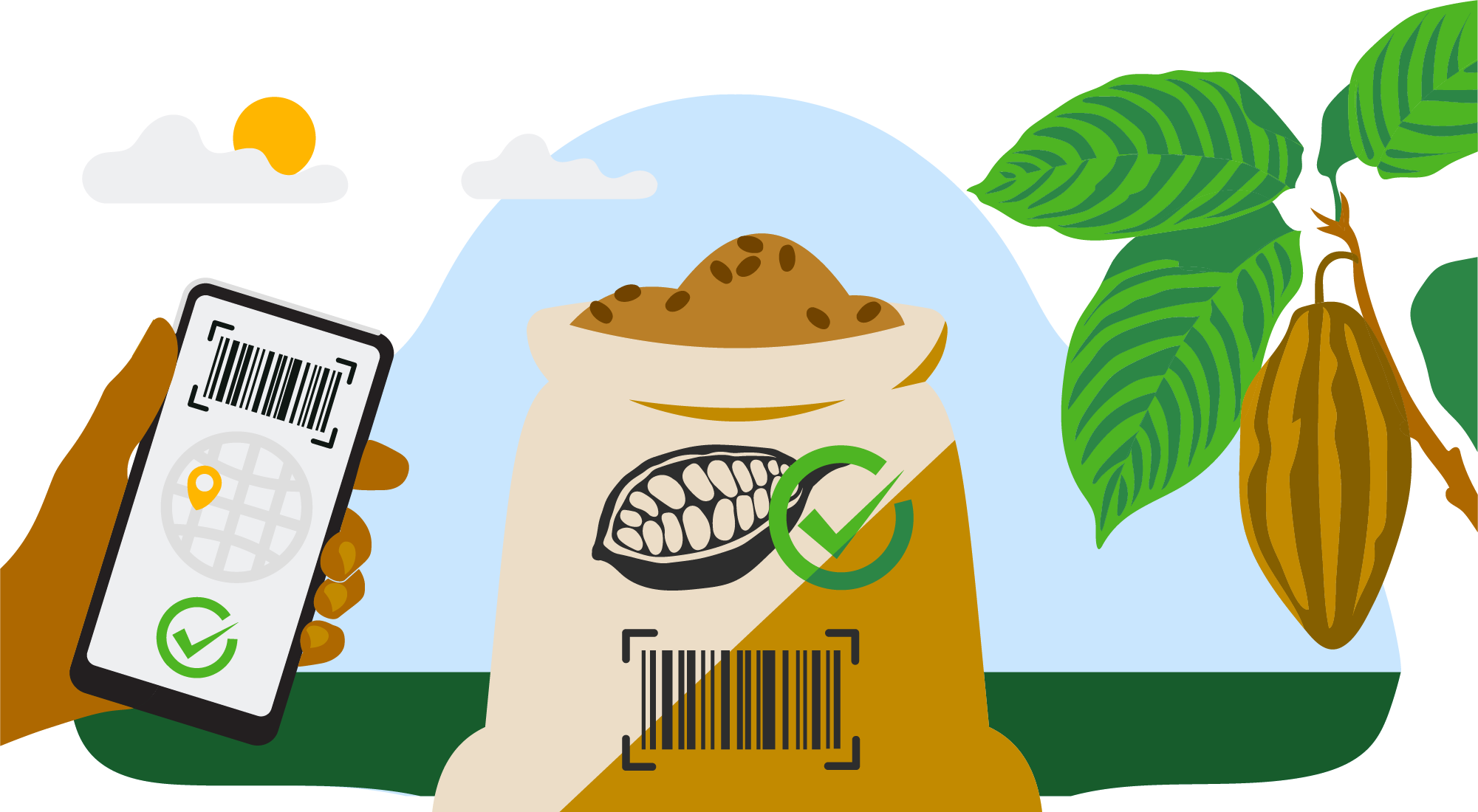
Chocolate maker Valrhona partners with Tilkal (a SaaS provider) on cocoa bean traceability. Such moves aid compliance with deforestation laws, strengthen ESG reporting, ensure fair payments to producers, and support investment in agro-ecological practices.
Follow the chocolate
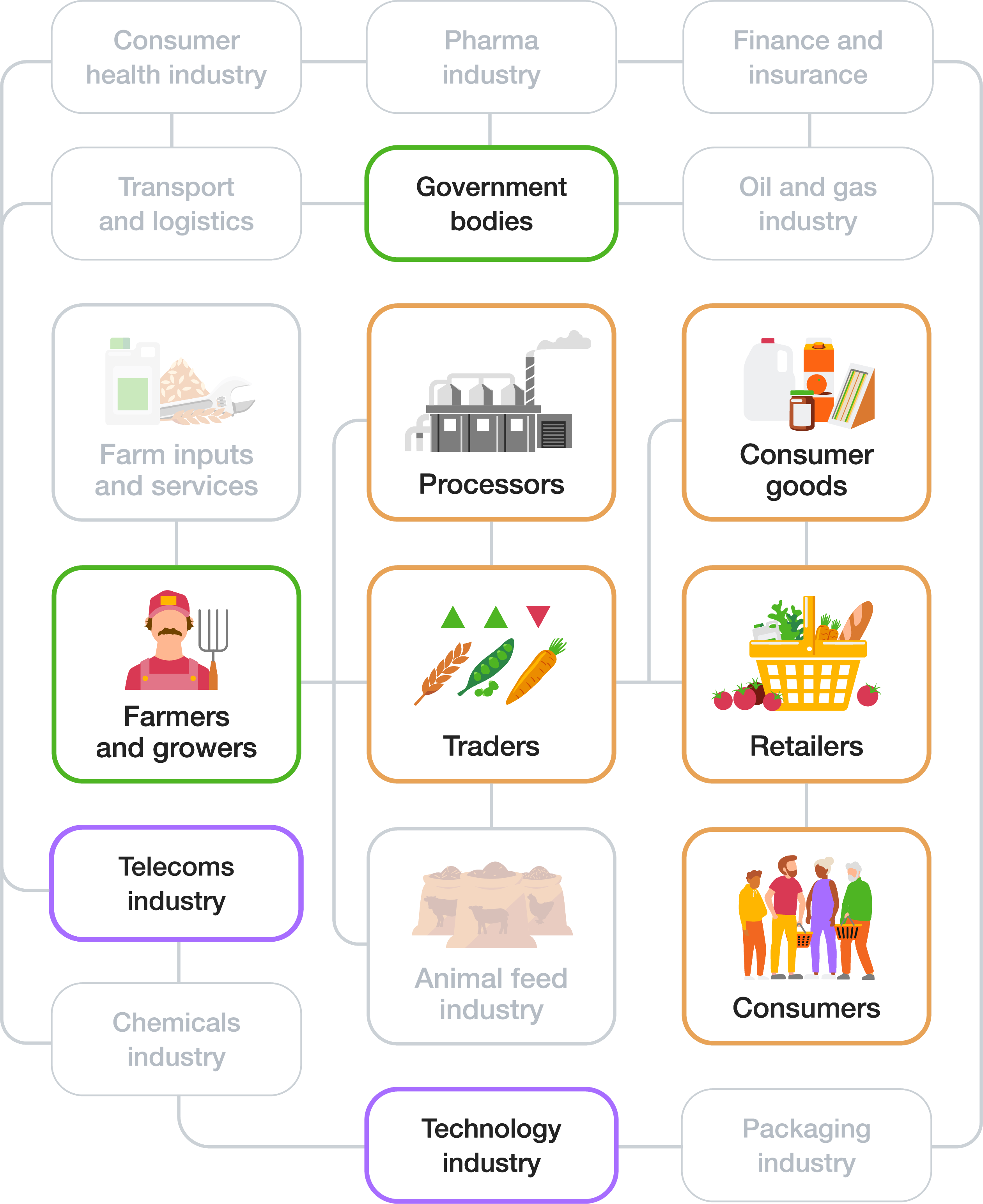
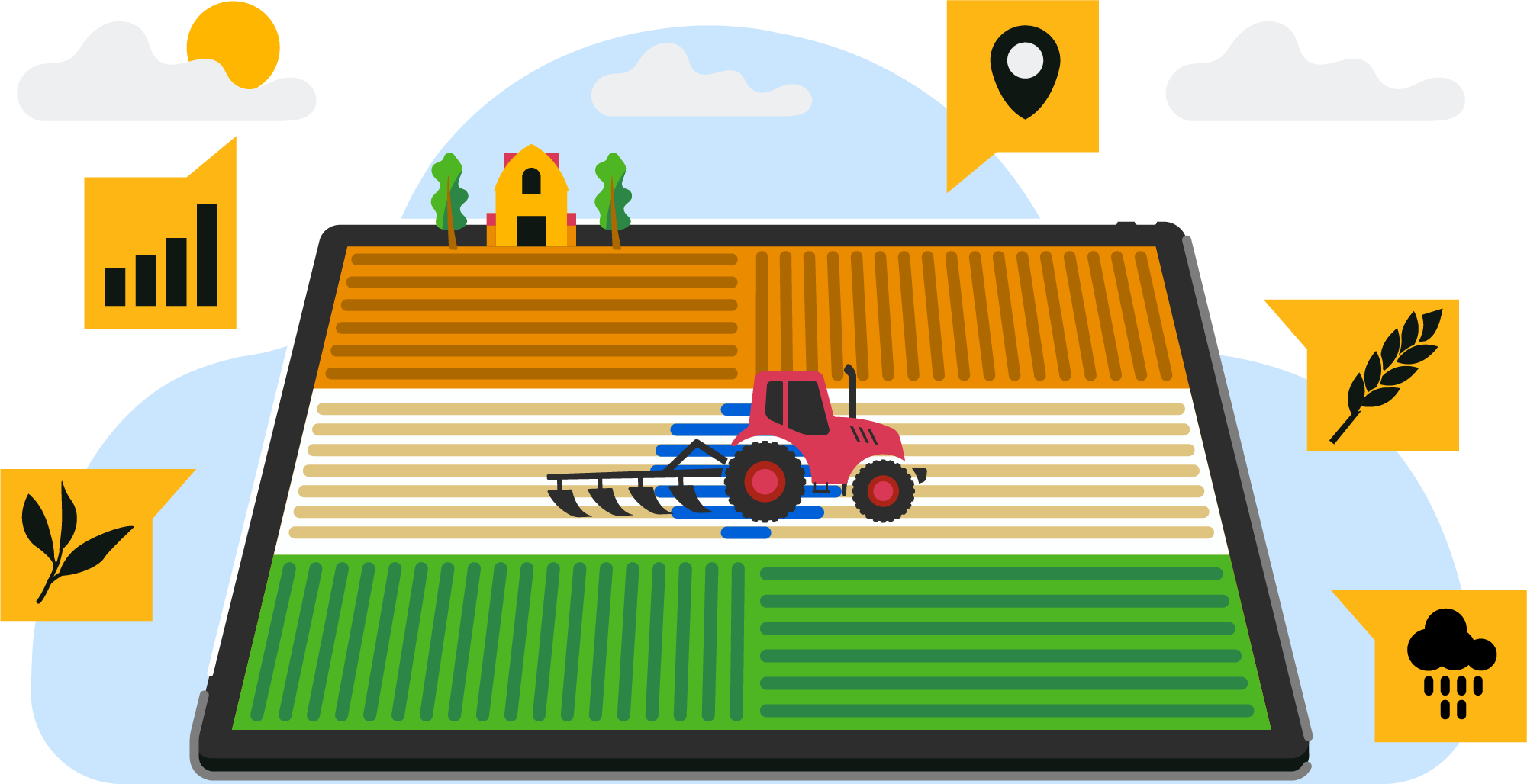
India’s digital farmland
Agri Stack, a government-led digital ecosystem in India, creates interoperable platforms to collect and share agricultural data, connect stakeholders, and deliver data-driven services (everything from weather warnings to disaster payments) to farmers.

Better farming practices:
Better farming practices:
Food system success stories
Better farming practices:
Food system success stories
Better farming practices:
Food system success stories
Transparent and efficient supply chains
Food system success stories
Transparent and efficient supply chains
Food system success stories
Transparent and efficient supply chains
Food system success stories
Healthy and sustainable diets
Food system success stories
Healthy and sustainable diets
Food system success stories
Healthy and sustainable diets
Food system success stories
Healthy and sustainable diets
Food system success stories
Scaling technology and financing:
Food system success stories
Scaling technology and financing:
Food system success stories
Scaling technology and financing:
Food system success stories
Also relevant to:
Better farming practices
Transparent and efficient supply chains
Source: PwC
Source: UN Food and Agriculture Organization and UN Environment Programme
Source: World Health Organization

Impact areas:
Direct
Indirect
Key enablers
Impact areas:
Direct
Indirect
Key enablers
Impact areas:
Direct
Indirect
Key enablers
Impact areas:
Direct
Indirect
Key enablers
Impact areas:
Direct
Indirect
Key enablers
Impact areas:
Direct
Indirect
Key enablers
Impact areas:
Direct
Indirect
Key enablers
Impact areas:
Direct
Indirect
Key enablers
Impact areas:
Direct
Indirect
Key enablers
Impact areas:
Direct
Indirect
Key enablers
Impact areas:
Direct
Indirect
Key enablers
Impact areas:
Direct
Indirect
Key enablers
Impact areas:
Direct
Indirect
Key enablers
Also relevant to:
Scaling technology and financing


Impact areas:
Direct
Indirect
Key enablers
Impact areas:
Direct
Indirect
Key enablers
Impact areas:
Direct
Indirect
Key enablers
Impact areas:
Direct
Indirect
Key enablers
Impact areas:
Direct
Indirect
Key enablers
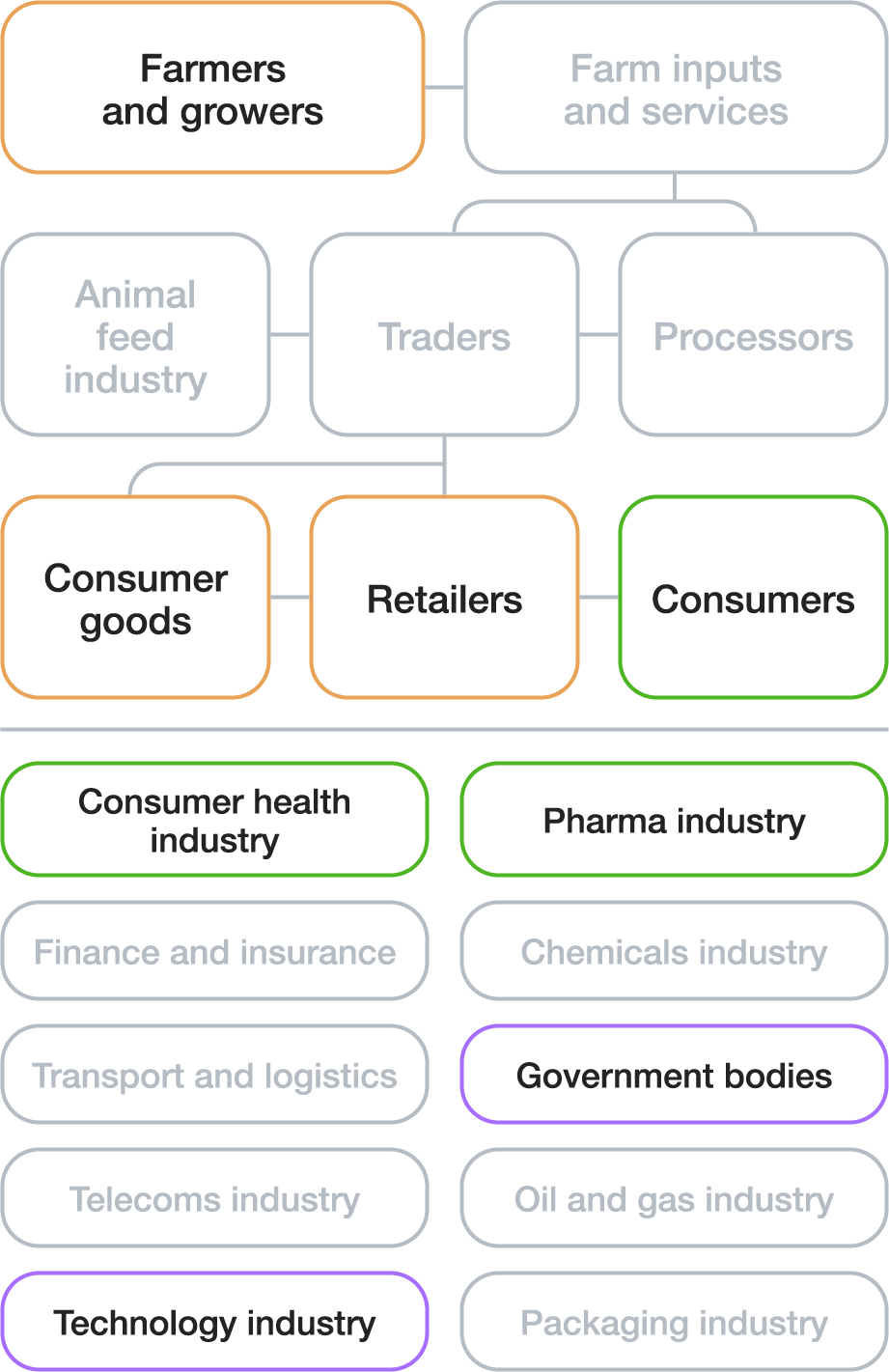
Impact areas:
Direct
Indirect
Key enablers
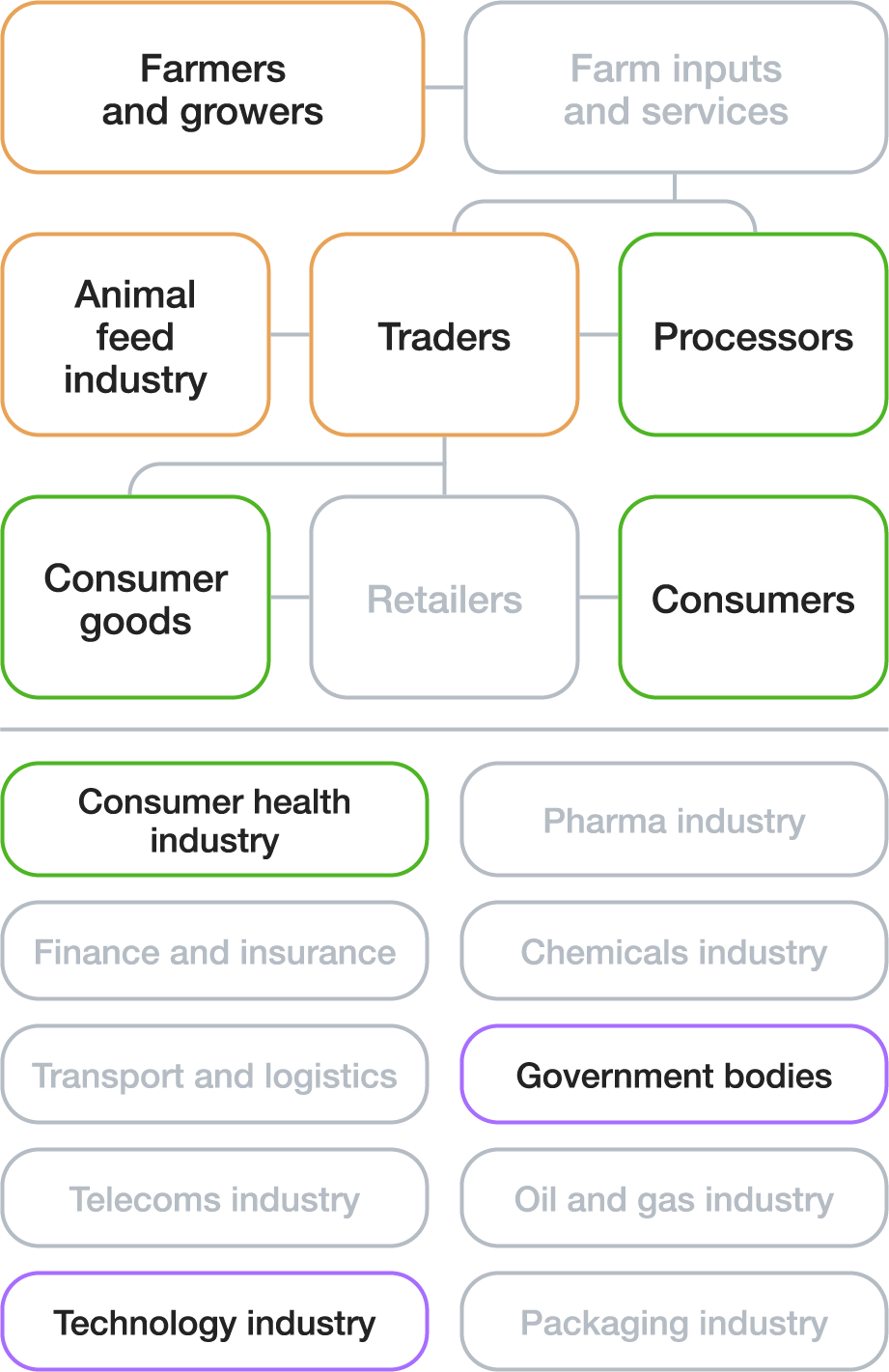
Impact areas:
Direct
Indirect
Key enablers
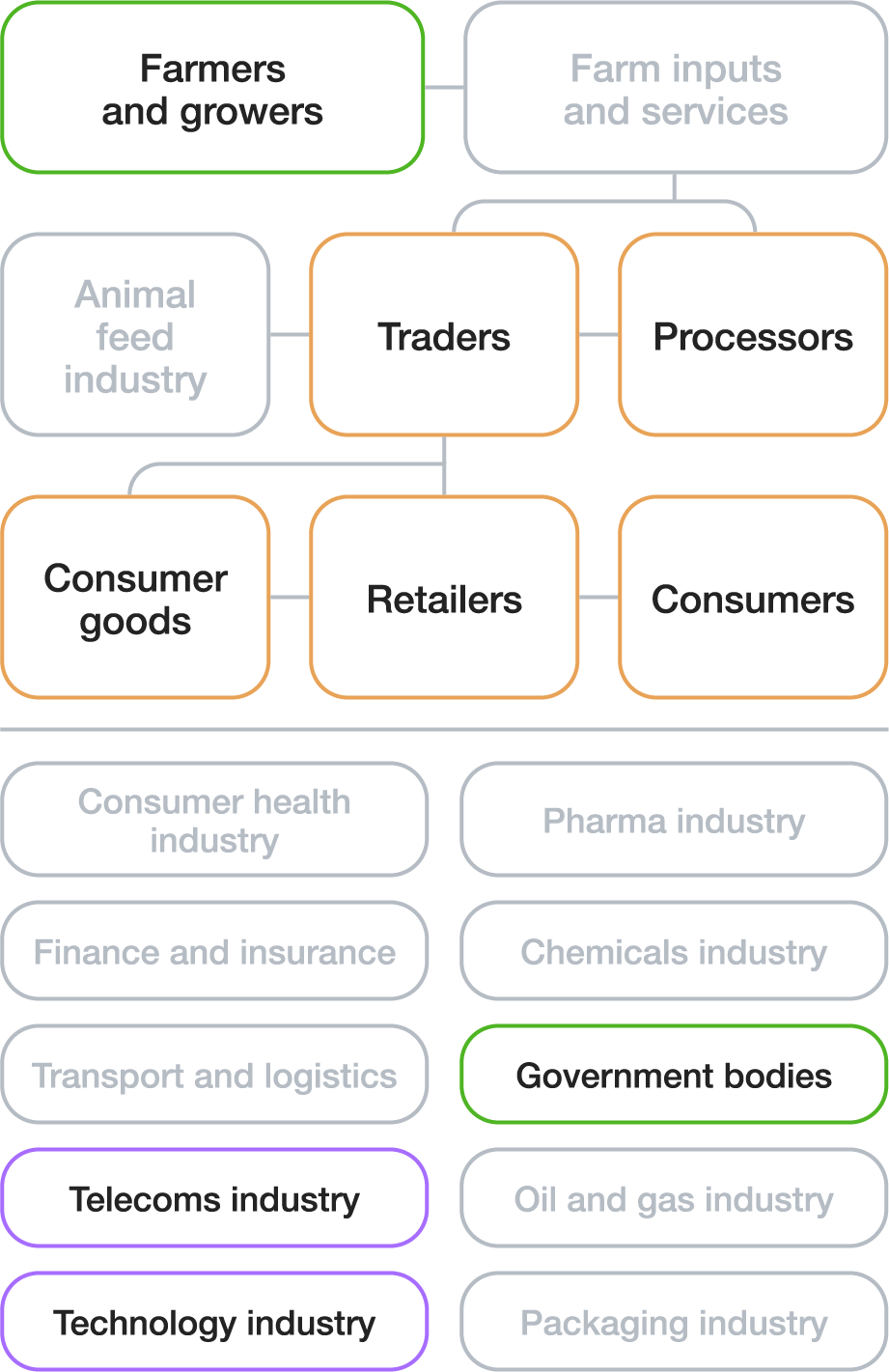
Impact areas:
Direct
Indirect
Key enablers
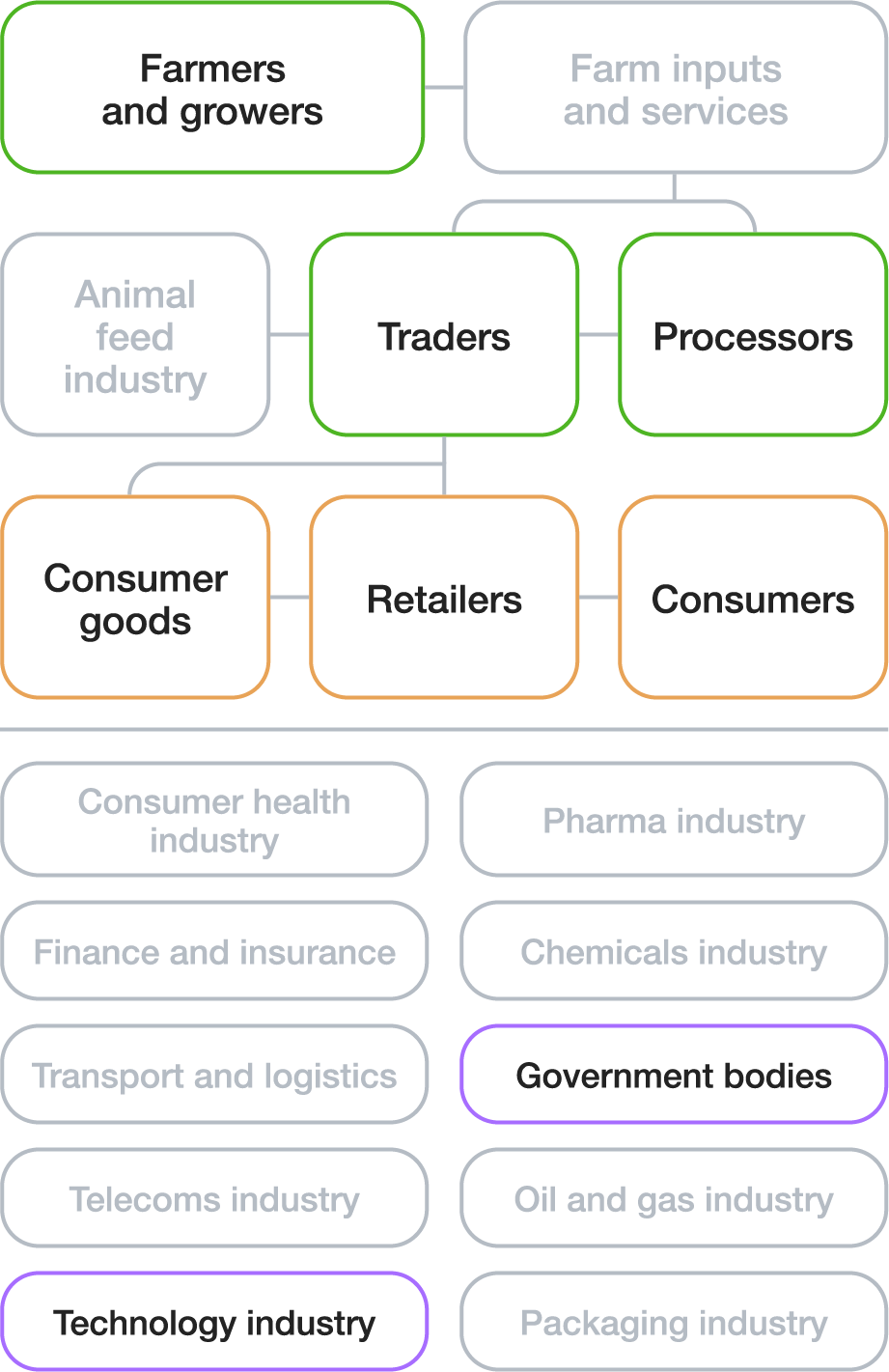
Impact areas:
Direct
Indirect
Key enablers
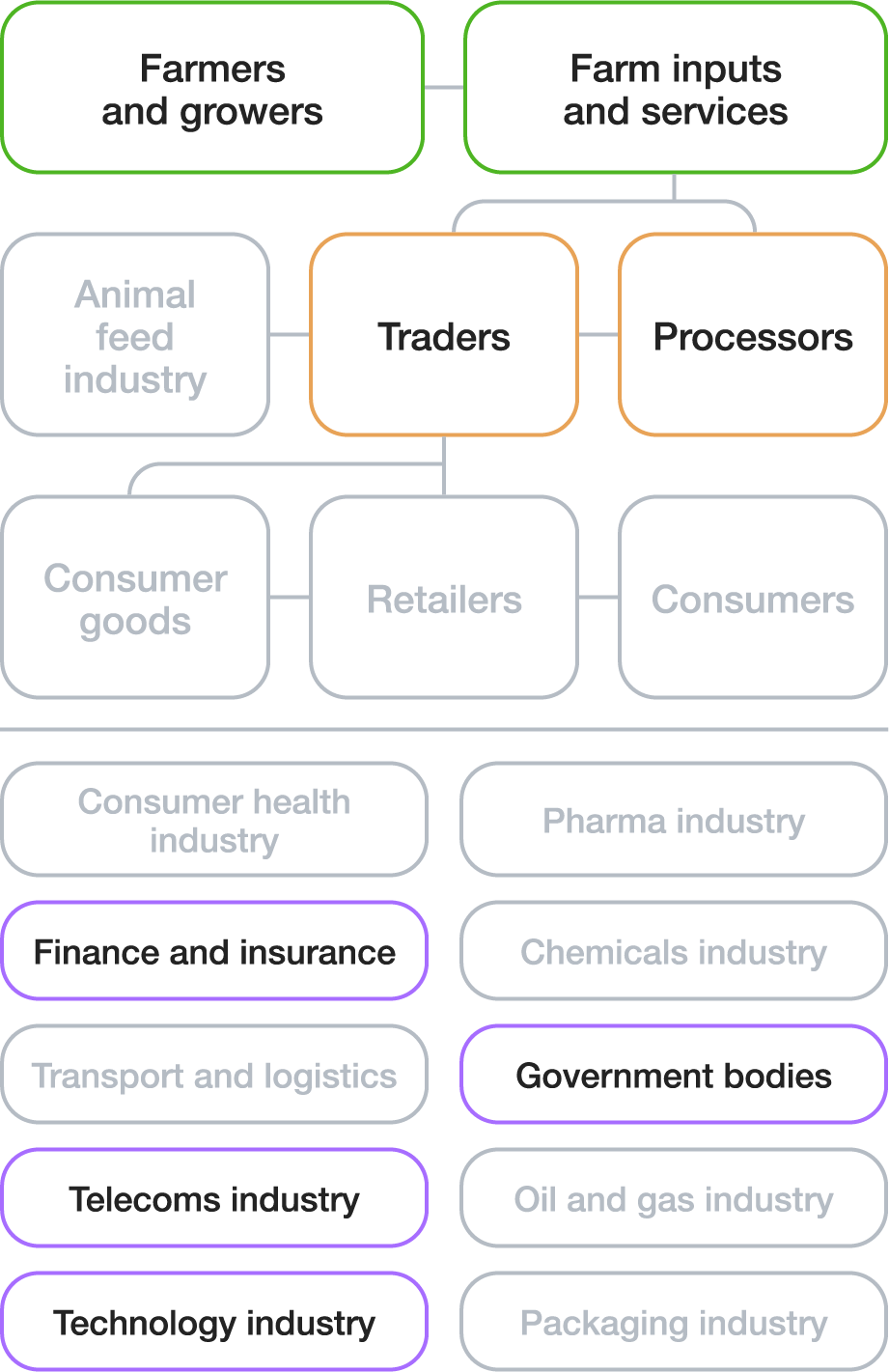
Impact areas:
Direct
Indirect
Key enablers

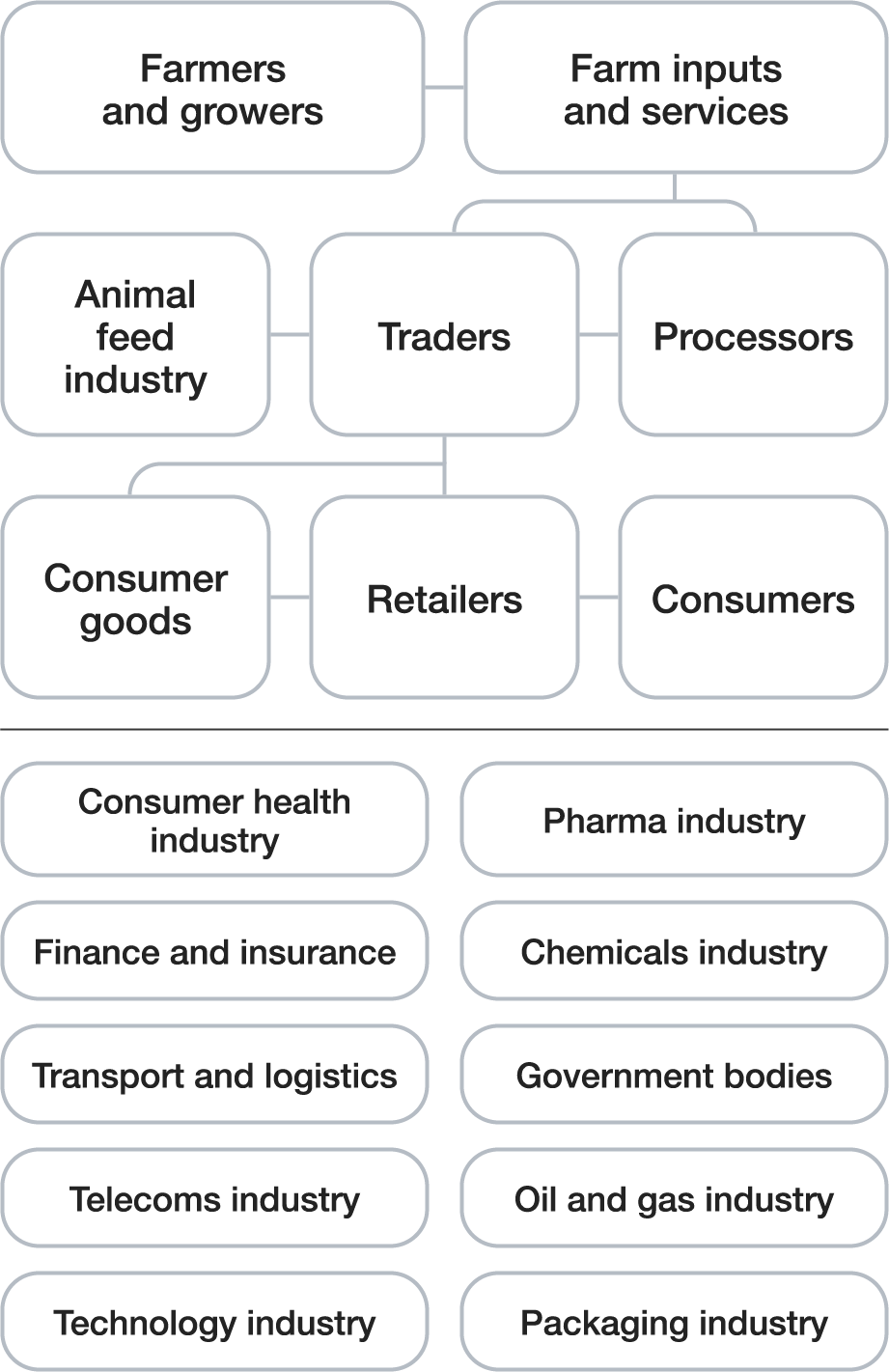
Food system success stories:
Food system success stories:
Food system success stories: