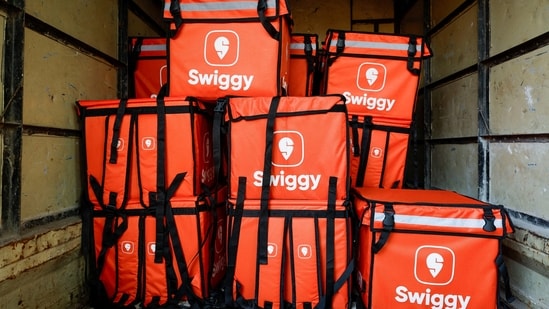
Swiggy Ltd. is preparing to raise as much as ₹10,000 crore via a qualified institutional placement next week, in what can be seen as a move to gain firepower amid an intense quick-commerce rivalry in India.
The Instamart operator has shortlisted three banks to manage QIP—the Indian units of Citigroup Inc. and JPMorgan Chase & Co., as well as Kotak Mahindra Capital Co., Bloomberg News reported on Tuesday citing people aware of the matter. They asked not to be identified because the information is private.
On 7 November 2025, Swiggy’s board approved plans to raise up to ₹10,000 crore through a QIP, subject to shareholder and regulatory approval. The timing and size of the deal could still change, the people said.
Swiggy, Citigroup, JPMorgan, and Kotak Mahindra didn’t immediately respond to requests for comment.
What is a QIP?
A qualified institutional placement is a fundraising tool in India that allows a listed company to issue equity shares, convertible debentures and/or other securities only to institutional investors such as mutual funds, banks and insurance companies.
The process is designed to be a faster and more cost-effective alternative to traditional public offerings like initial public offerings (IPOs) or follow-on public offerings (FPOs), as it bypasses extensive regulatory paperwork.
Introduced by the Securities and Exchange Board of India (SEBI), QIP’s goal is to reduce Indian companies’ reliance on foreign funding sources.
Why is Swiggy raising funds via QIP?
The core reasons include expansion, operational flexibility and competition—especially in the quick-commerce space.
- Instamart (quick commerce): The Swiggy QIP is seen an attempt to shore up resources to keep pace with Zepto and Eternal Ltd.’s Blinkit in the quick-commerce space, especially since both rivals recently raised funds.
- Strategic flexibility: Swiggy has stated that the fundraise will give them access to “sufficient growth capital” and enhance their “strategic flexibility” in a dynamic market that is quick commerce.
- Switch to inventory-led model: The funds will come in handy if Instamart has to transition from a marketplace structure to an investory-led model—similar to Blinkit’s. India’s FDI regulations restrict foreign-funded marketplaces from owning inventory.
The Swiggy QIP would also bolster the company’s balance sheet for long-term resilience. Sure, Swiggy’s cash reserves have seen a boost due to the stake sale in Rapido but, at the same time, loss has widened.
Net loss of the Bengaluru-based company stood at ₹1,092 crore in the July-September quarter as against a loss of ₹626 crore in the year-ago period, on revenue that increased 54.4% year-on-year to ₹3,601 crore, according to an exchange filing on 30 October. Days later, Swiggy announced the QIP.